
Know What You're Walking Into
Buying commercial property feels different than buying a home. The stakes are higher. The systems are bigger. And when something goes wrong, it doesn't just cost money—it can shut down your business.
I've inspected retail spaces where the HVAC was on its last legs, office buildings with hidden water damage, and warehouses with electrical systems that barely passed code. Every time, the buyer told me the same thing: "I'm glad we caught this before closing."
What Gets Inspected
Commercial inspections cover the major systems and structural components that keep your building functional and safe. I look at how everything works together, spot potential code issues, and identify maintenance that's been deferred.
Your inspection includes:
- Structural foundation, walls, and load-bearing components
- Roof systems, drainage, and weatherproofing
- Commercial HVAC and ventilation systems
- Electrical panels, distribution, and safety systems
- Plumbing infrastructure and water systems
- Fire suppression and emergency systems
- Exterior envelope, windows, and doors
- Parking areas, grading, and drainage
- Accessibility and code compliance observations
What You Get
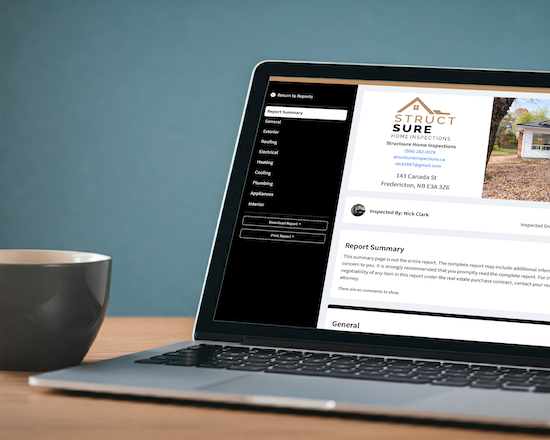
Clear, Detailed Reporting
You'll receive a comprehensive digital report with photos, descriptions, and recommendations for each finding. Everything is organized by system and prioritized by severity.
The report is designed to be shared with stakeholders, contractors, and legal teams. It gives you the documentation you need to negotiate repairs, budget for improvements, or walk away from a bad deal.
Why Commercial Inspections Matter
Commercial properties don't come with the same protections as residential ones. There's no warranty. There's often no recourse if something breaks a week after you take possession. And repairs at commercial scale aren't cheap.
An inspection gives you leverage. It tells you what needs fixing now, what can wait, and what might cost you down the road. That information helps you negotiate a better price, plan your budget, and avoid surprises that could sink your business before it even starts.
It's best to learn as much as you can about the property prior to your purchase. An inspection provides a much clearer understanding of the property condition and helps identify potential problems or issues that can be addressed upfront rather than sometime after you take possession. Without an inspection you accept the property regardless of known or unknown defects.
No property is perfect and most inspection findings will be maintenance recommendations and minor imperfections. At times we do find major defects and safety hazards. Every situation is different and it is up to you and your real estate agent or legal team to decide how to proceed after the inspection.
Yes. We inspect everything we can see and access, but we can't inspect items behind walls, under floors, in ceilings, or in areas we can't physically reach during the inspection. Commercial properties often have complex systems that may require specialized testing or evaluation beyond a standard inspection.
In most all cases, you receive the report the same day.