
InterNACHI CPI
Certified Professional Inspector standards on every inspection.
Fully Insured
You get professional protection and clear documentation.
Technology-Driven
Thermal imaging and digital reporting for better decisions.
7-Day Scheduling
Weekend appointments available to protect short condition windows.
What Rural Buying in Nasonworth Requires Before Conditions Close
Nasonworth sits south of Fredericton along the Route 101 corridor, with adjacent communities including Beaver Dam. It's a quieter area that attracts buyers looking for rural character and larger lots at more accessible price points than the city-adjacent communities — current listings run from $399,000 to around $649,000. But the due diligence picture is more complex than buying in town. There is no municipal water or sewer out here. Private well chemistry needs lab verification, septic condition needs field evaluation, and oil heat documentation needs to exist before your insurance provider agrees to bind coverage. Those are three due diligence categories that a listing photograph cannot answer and a walkthrough cannot settle.
Nasonworth at a Glance
Coverage Area
Nasonworth & Beaver Dam
A small rural community south of Fredericton along Route 101, with adjacent properties in the Beaver Dam area — larger lots, lower density, and a quieter profile than the city-adjacent communities.
Price Range
$399K to $649K
Nasonworth offers rural character at accessible price points relative to Fredericton's suburban communities — the private-service inspection priorities apply regardless of where within that range you land.
Water & Wastewater
Private Well & Septic
Municipal services do not extend to Nasonworth. Private well chemistry and septic condition are not optional due diligence — they are the two systems with the highest potential repair costs and the least visibility in a listing.
Route 101 Corridor
Rural Community Access
Nasonworth is close enough to Fredericton for practical daily access while maintaining a distinctly rural character — which is exactly why buyers are here, and exactly why the inspection profile differs from the city.
Common Nasonworth Risk Patterns
Private Well Chemistry and Bacteria
New Brunswick's bedrock geology produces wells that can carry elevated arsenic and uranium at concentrations that clear water does not signal. Beyond mineral chemistry, surface contamination from septic systems or agricultural activities can introduce coliform bacteria into private water supplies. Lab testing is the only way to establish what is actually in the water you will be drinking — and it needs to be done early enough that results return before your conditions expire.
Aging Septic Without Documentation
Older rural properties in Nasonworth may have septic systems that predate the current New Brunswick Department of Health standards, and may carry little or no documentation of last pump-out, system type, or field capacity. A septic system failure is a high five-figure repair. If there are no records — and no recent service history — that gap belongs on the negotiating table before conditions come off, not in your budget after closing.
Oil Heat and Tank Certification
Oil heat is common in Nasonworth's rural housing stock, and tank certification is a real concern in an area where documentation practices for older systems have been inconsistent. Insurers in New Brunswick have tightened requirements around undocumented or unlined steel tanks — a tank without records can prevent policy binding or trigger remediation requirements that fall to you as the new owner if you have not addressed them pre-closing.
Property Types You Will Encounter in Nasonworth
Older Rural Homes (Pre-1975)
Properties from this period often carry original or minimally upgraded systems — oil heat on a tank with no service history, a well that predates current water quality standards, and septic infrastructure that may have been grandfathered rather than replaced. These require the most thorough due diligence and are the highest priority for combined inspection and testing.
Established Rural Builds (1975–2000)
Homes from this period are typically in better documented condition but are now at or approaching service-life thresholds for roofing, insulation, and heating equipment. Septic systems from the 1980s and early 1990s in particular may be approaching design capacity — pump-out history and system condition are important to verify before purchase.
Newer Rural Properties (2000s–Present)
More recent construction in the Nasonworth and Beaver Dam area still warrants quality-control review. Newer builds on private services need verification that the well yield, water chemistry, and septic capacity are appropriately sized for the property — and that grading and drainage execution match the design intent on larger lots.
Larger Lot Acreage Properties
Nasonworth attracts buyers specifically looking for larger lots, and larger lots introduce site drainage and lot grading as specific inspection considerations. How water moves across a large rural property during spring melt or sustained rainfall — and where it goes relative to the foundation — needs evaluation that a fair-weather showing does not provide.
What We Focus on in Nasonworth
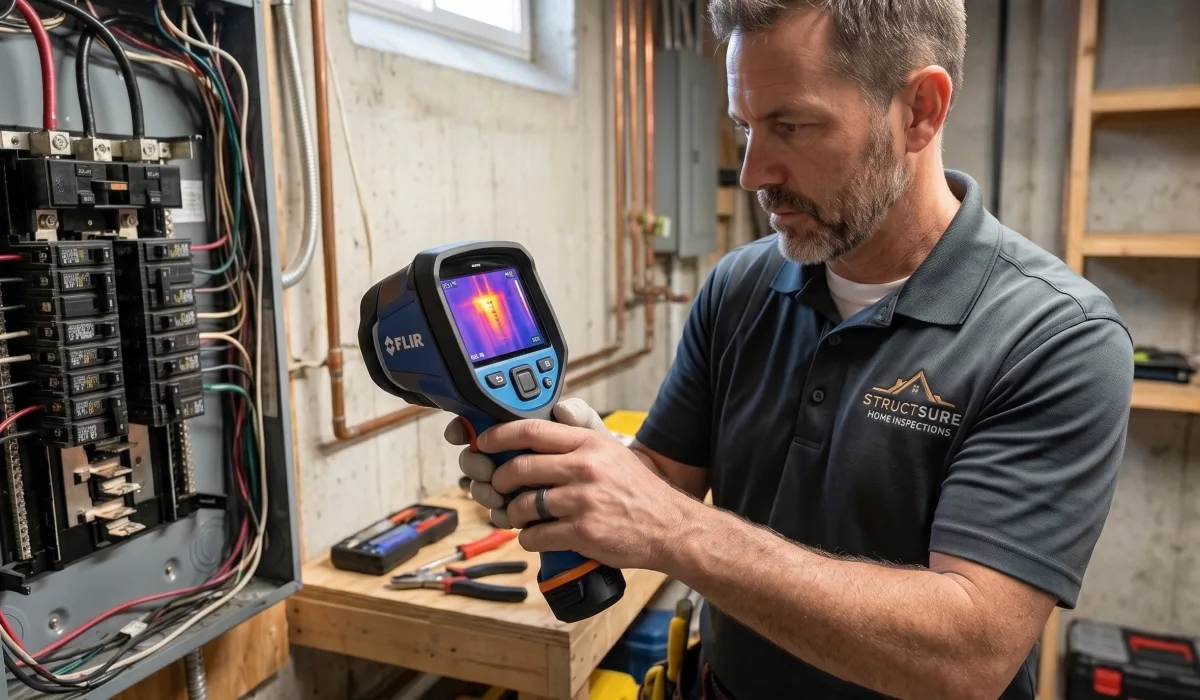
The inspection in Nasonworth covers the same structure and systems review that all properties require, but with particular emphasis on the private-service variables that distinguish rural purchases. We evaluate well condition indicators, note the characteristics that field-signal septic performance, verify oil tank documentation status, and assess heating equipment serviceability. Thermal imaging runs on every inspection and adds meaningful data on moisture behaviour and insulation gaps in properties where those issues often develop slowly and invisibly over years.
We organize all findings by urgency and transaction relevance, so you leave the inspection knowing exactly which items to act on before your condition window closes and which ones you can plan over time.
Inspection-Specific Considerations for Nasonworth
Private Well Water Testing
Lab chemistry for arsenic, uranium, and coliform bacteria. Results take three to five business days — book early so you have them during your condition window, not after it closes.
Read the well water guideSeptic System Evaluation
Visual site indicators and documentation review flag when a specialist pumping and camera evaluation is warranted before your conditions come off.
Read the septic guideOil Tank Documentation
Tank age and records affect insurance eligibility in rural New Brunswick. Missing documentation is a negotiation item, not a post-closing assumption to carry.
Read the oil tank guideUnderstanding Your Inspection Report
- Start with the summary section and identify any safety or structural items first.
- Separate immediate-repair findings from deferred maintenance you can plan over time.
- Request quotes for high-impact defects before finalizing your negotiation position.
- Review findings with your inspector to confirm your next steps are practical and realistic.

Services That Work Together in Nasonworth
Rural transactions in Nasonworth require more combined due diligence than a city purchase. This set of services addresses the highest-cost blind spots in one coordinated appointment:
- Residential Home Inspection
- Thermal Imaging Inspection
- Well Water Testing
- Indoor Air Quality Testing
All services run concurrently in a single visit — one appointment, everything covered before your deadline.
What Is Included in Every Inspection
- Structure, foundation, and visible framing
- Exterior cladding, grading, and drainage indicators
- Roofing, flashing, and accessible attic conditions
- Insulation and ventilation performance checks
- Electrical panels, visible wiring, and safety defects
- Plumbing fixtures, visible supply/drain components
- Heating and cooling equipment condition overview
- Interior surfaces, windows, doors, and moisture clues
- Safety and function observations by transaction impact
- Clear digital report with photo-backed prioritization
Resources for Nasonworth Buyers
Private Well Chemistry in NB
Why clear water is not an answer, what arsenic and uranium look like at the lab result level, and how testing timing protects your transaction.
Read articleRural Septic Risk Checklist
The field indicators that signal high-cost septic work and the documentation questions worth asking before you remove conditions.
Read articleOil Tank Risk and Insurance
What undocumented tanks mean for insurance binding in New Brunswick — and why it's a better problem to solve before you own the property.
Read articleBooking and Inspection Timeline
1. Book
Book immediately after offer acceptance — well water results take 3–5 days and need to return while you are still conditional.
2. Inspect
On-site review of structure, systems, private services, and site — everything in one appointment to protect your timeline.
3. Report
Clear digital findings, photo-backed and organized by urgency and transaction impact — delivered same day in most cases.
4. Decide
Use your report, water results, and debrief with your inspector to negotiate, plan, or walk away before your deadline.
Weekend appointments are available for buyers working within short condition windows.
Frequently Asked Questions
Lab results typically take three to five business days. Book your inspection immediately after offer acceptance so results return while your conditions are active. Waiting until mid-window leaves no room to negotiate or walk away based on what you find.
We assess visual site indicators — surface saturation, odour, vegetation patterns, and proximity to the well — and flag the need for a septic specialist when the visual evidence warrants it. We also review any available documentation on pump-out history and system type, because undocumented systems carry more risk than their condition alone suggests.
Private well, septic, and oil heat add three major due diligence categories that simply do not exist on a city lot. Each of those systems carries potential repair costs that can exceed the price reduction you might negotiate if you discover them post-closing. In a rural transaction, those verifications belong in your condition window — not in your maintenance budget after you own the property.
Yes. All add-on services run concurrently with the main inspection so you leave one appointment with everything you need for a fully informed purchase decision — without having to coordinate multiple contractor visits during your limited conditional window.
Yes. Radon risk exists across New Brunswick and cannot be predicted by location, housing age, or the way a property presents. Testing is the only measurement-based way to verify levels in the specific home you are buying.
Yes. Sellers who know the condition of their well, septic, and heating systems before listing avoid the renegotiation surprises that are particularly common when buyers discover private-service issues during their own due diligence period.
Yes. Weekend scheduling is available and often essential for buyers working within tight condition windows in the rural market.

Meet Your Inspector
I am Nick Clark, InterNACHI Certified Professional Inspector at StructSure. My goal is simple: give you clear facts before your condition window closes, so you can move forward with confidence instead of guesswork.
I focus on practical guidance, not scare tactics. If you want more background on how I work and why, visit About StructSure.
Book Your Nasonworth Inspection
Get clear priorities, report-backed negotiation leverage, and a practical decision path before your purchase is final.