
InterNACHI CPI
Certified Professional Inspector standards on every inspection.
Fully Insured
You get professional protection and clear documentation.
Technology-Driven
Thermal imaging and digital reporting for better decisions.
7-Day Scheduling
Weekend appointments available to protect short condition windows.
What Lincoln Buyers Should Know Before Conditions Are Removed
Lincoln is a small riverfront community east of Fredericton with two distinct pockets: Lower Lincoln closer to the river, and Lincoln Heights to the west near the Southwood Park edge. Properties range from affordable starter homes to historic farmhouses that date back to the 1920s — and the inspection priorities are completely different between them. A home that had recent cosmetic updates can still carry aging sewer laterals, original electrical capacity, or moisture issues that the right tools will find. That is what the inspection is for: not to confirm the listing, but to establish what is actually there.
Lincoln at a Glance
Location Pattern
Urban-Edge Convenience
Lincoln properties often attract buyers seeking city access with quieter streets, so quick condition timelines are common.
Municipal Services
Sewer Lateral Risk Still Applies
Municipal connection does not remove private lateral responsibility, especially for older service lines on established streets.
Housing Vintage
Mixed-Era Stock
Lincoln ranges from 1920s farmhouses in Lower Lincoln to newer infill in Lincoln Heights, creating dramatically varied electrical, insulation, and moisture profiles from one property to the next.
Indoor Air
Radon Testing Recommended
Like the rest of NB, Lincoln homes can have elevated radon regardless of finish quality, so measurement is the decision tool.
Common Lincoln Risk Patterns
Sewer Lateral Condition on Older Streets
Municipal service doesn't cover the private lateral running from your property line to the home. On Lincoln streets with mature trees, roots exploit gaps in aging cast iron or clay lateral joints over time — a camera inspection before closing is the only way to know what is actually there.
Electrical Capacity in Mixed-Era Homes
Lincoln's stock ranges from older homes with 60-amp panels to more recent infill. Underserviced panels, aluminum branch wiring, and double-tapped breakers are common findings on properties from the 1960s through 1980s — and affect insurability.
Attic and Envelope Performance
Homes that have gone through multiple owners often accumulate ad-hoc renovations that disrupt original attic airflow or create insulation gaps. Thermal imaging identifies these weak points before they translate into winter condensation and moisture damage.
Property Types You Will Encounter in Lincoln
Older Lincoln Homes (Pre-1970)
These properties carry the highest insurable risk from electrical panel deficiencies and aging sewer laterals. Knob-and-tube wiring, 60-amp panels, and clay lateral lines are not uncommon — and each one can affect both insurability and first-year repair budgets.
1970s–1990s Established Homes
Homes from this era are approaching the end of original service-life windows for roofing, insulation, and mechanical systems. Inspection focus shifts to remaining useful life and surface evidence of deferred maintenance that may not be disclosed.
2000s–2010s Infill and Suburban Builds
More recent Lincoln homes still warrant quality checks. Common issues include inadequate grading around newer foundations, attic ventilation gaps, and HVAC systems nearing their first major service interval.
Historic Farmhouses (1920s–1940s)
Lincoln has a small but real inventory of farmhouse properties dating to the 1920s and earlier. These are high-priority inspection candidates: knob-and-tube wiring, inadequate panel capacity, original foundations without drainage membrane, and plumbing that predates modern material standards are all possible. Charm comes with history — and history comes with risk.
What We Focus on in Lincoln
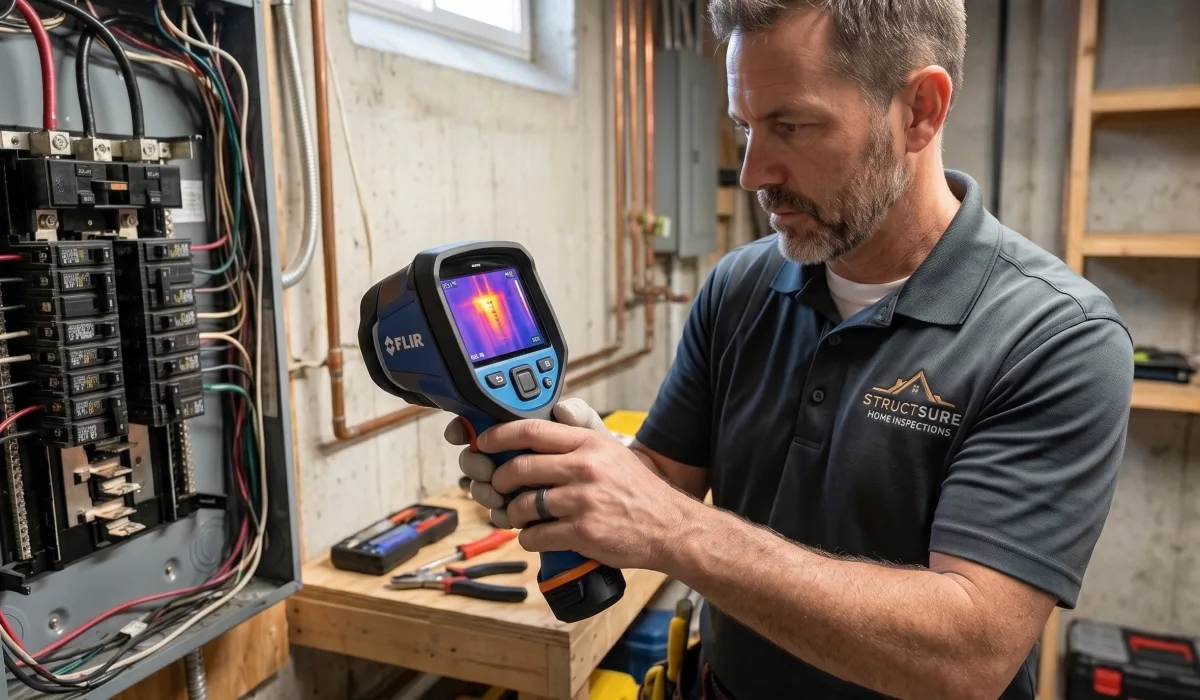
In Lincoln, the inspection pays close attention to electrical panel condition and capacity, sewer lateral age on older streets, and moisture behavior in finished basements — three areas where cosmetic updates often hide accumulated deferred maintenance. For farmhouse properties in Lower Lincoln, we add evaluation of older structural systems and foundation drainage that predate modern construction standards. Thermal imaging is standard on every visit and helps identify moisture intrusion and insulation gaps that renovation work can conceal behind new drywall or flooring.
Inspection-Specific Considerations for the Fredericton Area
Oil Heat Transitions
Older heating transitions can include active or decommissioned tank concerns that affect insurance and remediation planning.
Read the oil tank guideRadon Risk in NB
Radon cannot be detected by sight or smell. Testing provides measurement-based clarity before closing decisions are final.
Read the radon guideSewer Scope for Older Laterals
Municipal connection doesn't cover the private lateral running to your home. On older Lincoln streets, a camera inspection before closing reveals root intrusion or pipe collapse before it becomes your repair bill.
Read the sewer scope guideUnderstanding Your Inspection Report
- Start with the summary and identify safety or structural items first.
- Separate immediate repairs from maintenance items you can plan over time.
- Request quotes for high-impact defects before making final decisions.
- Review priorities with your inspector so your next steps are clear and realistic.

Services That Work Together
For Lincoln buyers dealing with mixed-era homes and municipal connections, this combination covers the risk areas that matter most before your deadline hits:
- Residential Home Inspection
- Thermal Imaging Inspection
- Sewer Scope Inspection
- Indoor Air Quality Testing
All services can be scheduled together to minimize disruption and maximize your due diligence window efficiency.
What Is Included in Every Inspection
- Structure, foundation, and visible framing
- Exterior cladding, grading, and drainage indicators
- Roofing, flashing, and accessible attic conditions
- Insulation and ventilation performance checks
- Electrical panels, visible wiring, and safety defects
- Plumbing fixtures, visible supply/drain components
- Heating and cooling equipment condition overview
- Interior surfaces, windows, doors, and moisture clues
- Safety and function observations by transaction impact
- Clear digital report with photo-backed prioritization
Resources for Lincoln Buyers
First-Time Buyer Decision Framework
A plain-language walkthrough of inspection day and how to prioritize findings before removing conditions.
Read articleSewer Scope for Older Municipal Homes
How camera evidence on older laterals helps avoid hidden line costs and supports cleaner negotiations.
Read articleRadon Risk in New Brunswick
Why testing is essential during due diligence even when a home appears updated and well maintained.
Read articleBooking and Inspection Timeline
1. Book
Secure your date early to protect room for add-ons and follow-up decisions.
2. Inspect
On-site visual and diagnostic review focused on high-impact transaction risks.
3. Report
Receive clear, photo-backed findings organized by urgency and transaction impact.
4. Decide
Use your report and debrief to negotiate, budget, or proceed with confidence.
Weekend appointments are available for clients working within short condition windows.
Frequently Asked Questions
Yes. Municipal service covers the main from the street to the property line. The private lateral from the property line to your home is your financial responsibility. On older Lincoln streets, that lateral can be clay tile or aging cast iron — and tree roots on established lots don't care who is responsible for repair costs.
In most cases, yes, which helps keep your inspection workflow efficient and timeline-safe.
Yes. Findings are structured by urgency and transaction relevance.
Yes. Pre-listing inspections help reduce surprises and increase transaction stability.
Yes. Radon risk exists across New Brunswick and testing is the only way to verify levels in the specific home you are buying.
Yes. Weekend scheduling is available and often helps buyers stay on track during short due-diligence windows.
Start with the electrical system — knob-and-tube wiring and 60-amp panels from that era affect insurability immediately. From there, look at foundation drainage, the condition of original structural framing, and whether any renovation work was done with permits. Properties dating to the 1920s can be solid investments, but the inspection needs to establish what has and hasn't been updated before you remove conditions.

Meet Your Inspector
I am Nick Clark, InterNACHI Certified Professional Inspector at StructSure. My goal is simple: give you clear facts before your condition window closes, so you can move forward with confidence instead of guesswork.
I focus on practical guidance, not scare tactics. If you want more background on how I work and why, visit About StructSure.
Book Your Lincoln Inspection
Get clear priorities, report-backed negotiation leverage, and a practical decision path before your purchase is final.