
See What's Hidden Behind the Walls
Not every problem in a house can be seen. A small leak might dry up before it ever leaves a mark. Missing insulation can waste heat all winter without showing a single sign, and thermal imaging helps identify hidden issues by detecting temperature changes.
4.9/5
Google rating
Same Day
Report delivery
CPI + ICA
Professional training
14
Service communities
What Thermal Imaging Inspection Covers
Every scan includes thermal photos with plain explanations. You'll know exactly what's happening, not just something that doesn't look right. Thermal imaging is included with every inspection at no additional cost.
What Thermal Imaging Reveals
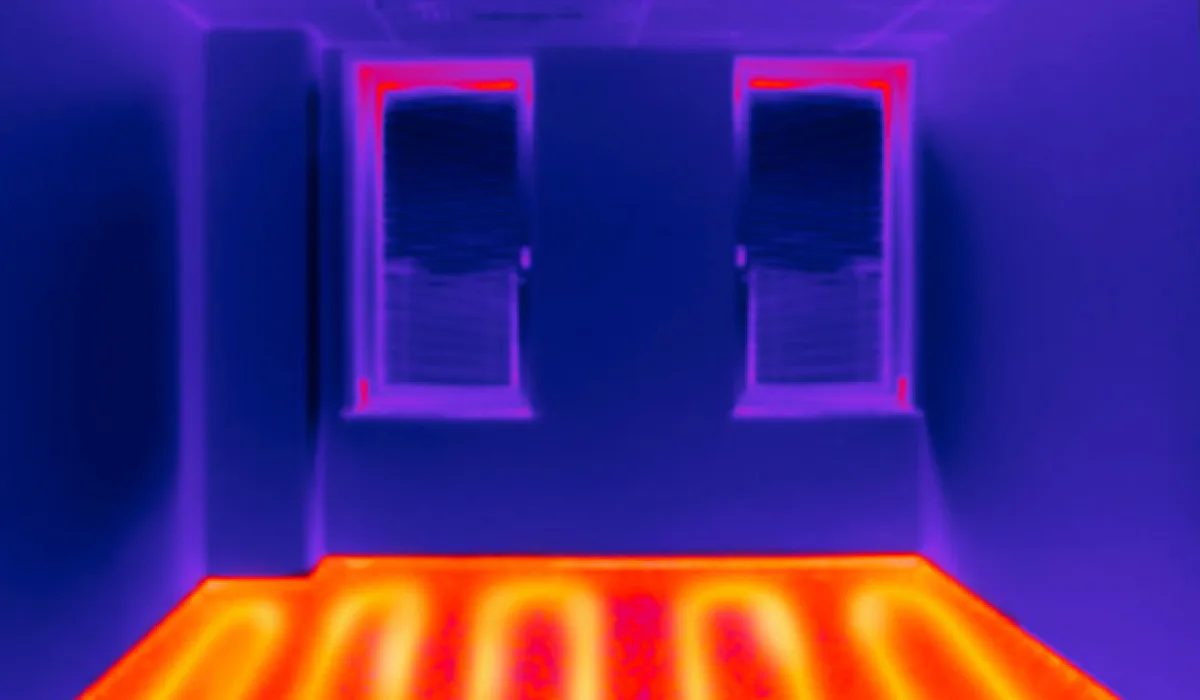
Infrared scanning reveals potential trouble areas by picking up moisture near windows, ceilings, and basements. It finds air leaks that waste heat and money. It even identifies electrical hotspots or uneven heat flow that indicate strain in your system.
Heat Loss & Energy
Heat loss during energy audits; Air leakage through the building envelope; Energy waste caused by wet or missing insulation; Cold bridging or uneven thermal performance
Moisture Detection
Moisture damage or leaks in walls, ceilings, and roofs; Air and moisture intrusion around windows and doors; Flat roof leaks and trapped moisture; Concealed water ingress or rising damp
Insulation Issues
Insulation gaps or uneven coverage in walls and attics; Missing or damaged insulation; Thermal performance evaluation
Structural & Hidden Features
Hidden wall framing, structures, or fixtures; Delamination or bonding issues in exterior finishes; Hidden pipework or plumbing routes
Heating Systems
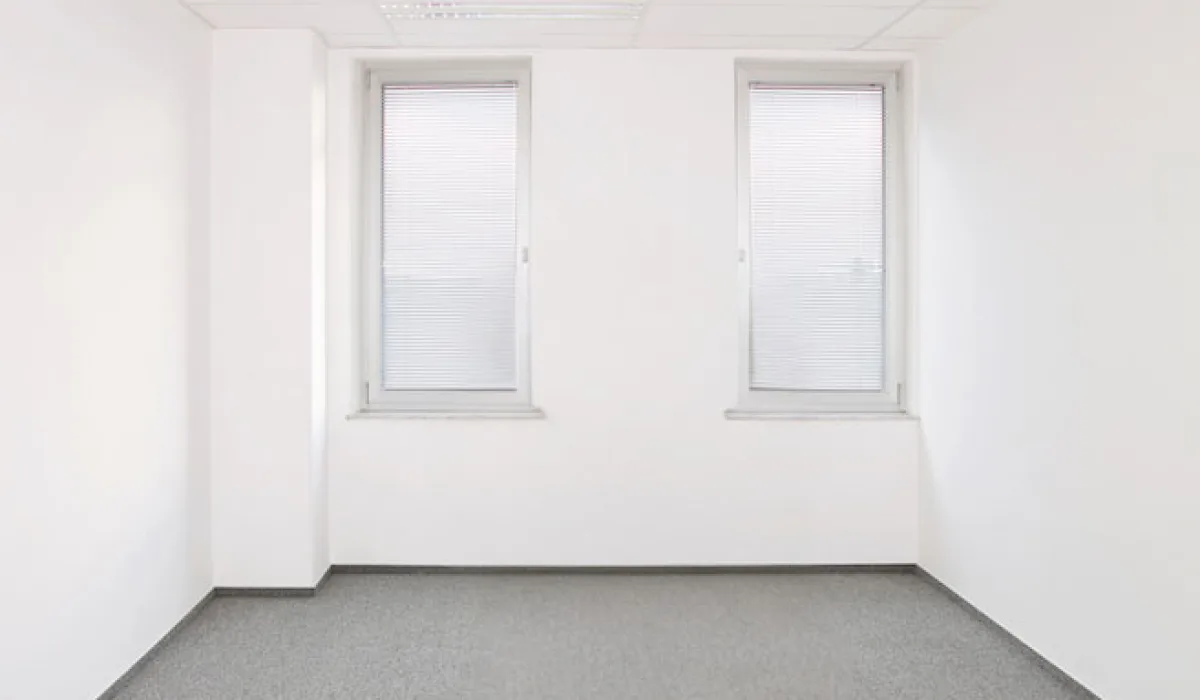
Underfloor heating performance and coverage; HVAC system efficiency; Heat distribution patterns
Damp & Waterproofing
Failed or missing damp-proof courses; Rising damp detection; Areas related to building insurance claims
Unsure If Thermal Imaging Is Right For This Property?
Tell us the home's age and your concerns. We will give you a straight recommendation.What Thermal Imaging Can and Cannot Do
What It Can Do
- Identify thermal patterns that may suggest hidden moisture.
- Highlight likely insulation gaps and air leakage areas.
- Spot heat anomalies that can indicate electrical or HVAC concerns.
- Add useful context to visible findings during inspection.
What It Cannot Do
- It cannot see through walls like an X-ray.
- It does not by itself confirm active moisture without supporting evidence.
- It does not replace a full home inspection.
- It does not eliminate the need for specialist follow-up when required.
Where Thermal Imaging Adds Visibility
- Older homes where insulation performance is uncertain
- Properties with prior roof or plumbing leak history
- Finished basements where moisture can stay hidden
- Homes with comfort complaints or high heating costs
- Inspections where additional non-invasive context improves findings
Thermal imaging is part of our inspection method. We apply it where conditions and observations support better, safer, and more complete reporting.
Why Choose StructSure
I use this technology as part of a broader inspection process, combining training with practical building knowledge. In my experience, thermal imaging is most beneficial in older homes or properties with a history of water damage. It's also a smart choice for anyone wanting to understand how their home holds heat through Fredericton winters.