
See What's Happening in Your Sewer Line
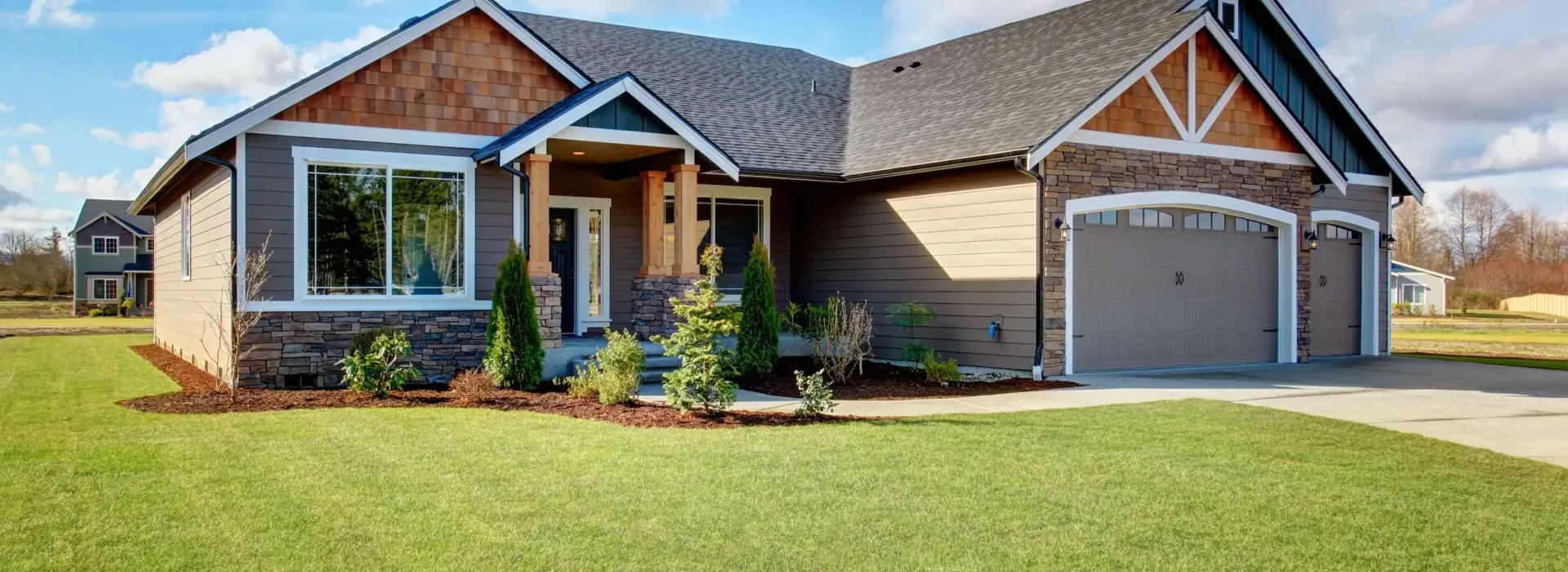
A home can look perfect above ground and still conceal a costly surprise in the sewer line. Pipes age, shift, and clog without warning. Repairs often run into thousands, and insurance rarely covers them. A sewer scope inspection gives you documented evidence before you buy.
Note: If your property has a septic system, check out our Septic System Inspections for visual, load testing, and full functional testing options.
4.9/5
Google rating
Same Day
Report delivery
CPI + ICA
Professional training
14
Service communities
What's Included in the Inspection
A waterproof camera travels through the main sewer line from your home to the street connection so hidden defects can be documented early.
Pipe Condition
Detection of cracked, broken, or corroded sections that can lead to leaks, backups, or failure.
Tree Root Intrusion
Identification of roots entering joints or cracks that cause restriction and damage.
Blockages & Buildup
Detection of grease, debris, and waste buildup that can trigger slow drains or backups.
Pipe Alignment
Identification of sags or offsets where waste can collect and cause repeat issues.
Pipe Material & Age
Assessment of likely material type and age-related risk exposure.
Joints & Connections
Evaluation of damaged connections or installation defects that can cause leaks.
Typical on-site time is roughly 30-60 minutes depending on access and line conditions.
Who Should Consider a Sewer Scope
Buyers
Use objective findings to negotiate repairs or credits before closing.
Sellers
Address known issues early and reduce last-minute deal friction.
Homeowners
Plan repairs proactively and avoid emergency surprises underground.
When to Schedule a Sewer Scope
A sewer scope is recommended for:
- Homes built before 1980 (older clay or cast iron pipes)
- Properties with large trees near the sewer line
- Houses with a history of slow drains or backups
- Any property connected to municipal sewer (not septic)
- When you want peace of mind before closing
Need To Confirm Scope Access Before Booking?
If you are unsure about cleanout access or timing with your home inspection, reach out and we will guide you.What to Expect During a Sewer Scope
Step 1
Locate Access Point
We confirm an accessible cleanout or approved entry point before starting.
Step 2
Insert Camera
A specialized camera is fed through the lateral line to capture interior conditions.
Step 3
Review Entire Run
We inspect as much of the line as accessible from the home toward the municipal connection.
Step 4
Document Findings
Observed defects, restrictions, or concerns are documented with footage and notes.
Step 5
Deliver Report
In most cases, your report is delivered the same day to support next-step decisions quickly.
Inspection Package & Pricing
Professional sewer line camera inspection with video documentation
Sewer Scope Inspection
Camera inspection of main sewer line from home to street
- Full camera inspection of main sewer line
- Video footage of pipe interior
- Detection of cracks, roots, blockages, and damage
- Pipe material and condition assessment
- Detailed written report with findings
- Same-day report delivery
Add-On Price: +$250 when added to a base inspection
Inspection typically takes about one hour. Video footage and report delivered the same day.
Common Questions
In most cases, you receive the report the same day with footage and written notes on observed conditions.
If issues are detected, we explain likely impact and provide documentation you can use for repair planning or negotiation decisions.
Yes. Newer homes can still have installation or settling issues, while older homes carry higher material-related risk.
You can contact us after delivery. Post-inspection support is included if you need clarification on findings.
No. A standard home inspection evaluates visible systems, while sewer lines are underground and require a dedicated camera scope.
Scope access depends on having an accessible entry point. If access or site conditions limit the inspection, those limitations are documented clearly.