InterNACHI CPI
Certified Professional Inspector standards on every inspection.
Fully Insured
You get professional protection and clear documentation.
Technology-Driven
Thermal imaging and digital reporting for better decisions.
7-Day Scheduling
Weekend appointments available to protect short condition windows.
What Buying Rural in Rusagonis Actually Means for Due Diligence
Rural properties south of Fredericton carry a different risk profile than suburban ones. Private well water, aging septic systems, and oil heat are common — and each one can generate significant first-year costs if they are not evaluated properly before conditions are removed. The inspection is not just about the house. It is about the systems underneath and around it that do not show up in listing photos.
Rusagonis at a Glance
Property Pattern
Rural and Semi-Rural Mix
Rusagonis buyers often evaluate homes with larger lots and varied outbuildings, which increases site-specific inspection scope.
Water and Wastewater
Private Systems Are Typical
Well chemistry and septic performance are often higher-priority due diligence items than cosmetic defects in this area.
Heating Profile
Oil Heat Is Still Common
Tank age, documentation, and insurer acceptance can influence both negotiation leverage and closing timelines.
Transaction Focus
Test Early, Negotiate Early
Because specialized follow-ups can take time, early booking helps keep private-service findings inside condition deadlines.
Common Rusagonis Risk Patterns
Private Well Chemistry
Clear water does not mean safe water. New Brunswick's geology produces wells with naturally elevated arsenic and uranium that are completely undetectable without lab testing. In Rusagonis, well quality should be tested before conditions come off — not after you move in.
Oil Tank Age and Documentation
Oil heat is still common in rural New Brunswick. Tanks that lack documentation or show signs of corrosion can block financing and insurance or trigger remediation requirements. Knowing the tank's status before closing gives you options — discovering it after does not.
Drainage on Larger Rural Lots
Country properties with natural grades and older drainage infrastructure can direct spring runoff toward foundations if site water management has been neglected. NB's 4-foot frost depth means freeze-thaw cycles amplify existing grading defects season after season.
Property Types You Will Encounter in Rusagonis
Older Rural Homes (Pre-1970)
These properties often include original oil heating systems, well and septic setups that pre-date current standards, and electrical panels that may not meet current insurer requirements. Every one of these systems warrants dedicated attention before the transaction closes.
Established Rural Homes (1970s–1990s)
Homes from this era often have aging roofs, original insulation, and heating systems approaching the end of their service life. In Rusagonis, septic systems from this period are frequently undocumented and require visual review as part of any purchase decision.
Rural Builds from the 2000s–2010s
More recent country homes still need quality-control review. Common concerns include improper lot grading that directs water toward the foundation, attic ventilation gaps, and septic setups that may have been sized for fewer occupants than intended.
Hobby Farms and Acreage Properties
Larger rural parcels add inspection complexity. Outbuildings, secondary structures, and extended utility runs all carry condition risk that needs to be assessed alongside the main dwelling — not as an afterthought when you have already committed.
What We Focus on in Rusagonis
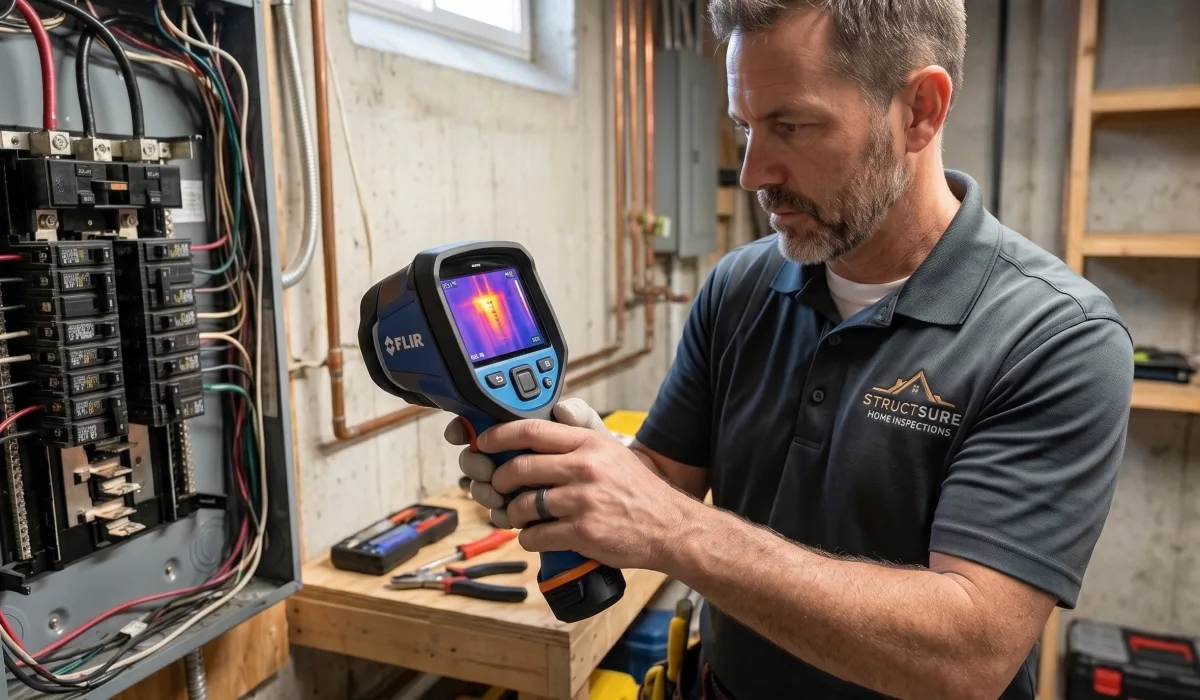
In rural Rusagonis, the inspection priorities shift toward private service systems and site drainage. We evaluate well condition, septic access and indicators, oil tank documentation, and heating system serviceability alongside the standard structure and building envelope review. Thermal imaging is standard equipment and helps identify moisture intrusion around foundation walls and crawlspaces common in older rural builds.
Inspection-Specific Considerations for Rural Rusagonis
Oil Heat Transitions
Older heating transitions can include active or decommissioned tank concerns that affect insurance and remediation planning.
Read the oil tank guideRadon Risk in NB
Radon cannot be detected by sight or smell. Testing provides measurement-based clarity before closing decisions are final.
Read the radon guideWell Water Due Diligence
Where private water systems are present, lab-backed testing can identify contaminants early and protect negotiation leverage.
Read the well water guideUnderstanding Your Inspection Report
- Start with the summary and identify safety or structural items first.
- Separate immediate repairs from maintenance items you can plan over time.
- Request quotes for high-impact defects before making final decisions.
- Review priorities with your inspector so your next steps are clear and realistic.

Services That Work Together
Rural Rusagonis transactions carry private-service risk that adds more value when addressed together. This combination covers the three highest-cost blind spots in one appointment window:
- Residential Home Inspection
- Thermal Imaging Inspection
- Well Water Testing
- Indoor Air Quality Testing
All services can be scheduled together to minimize disruption and maximize your due diligence window efficiency.
What Is Included in Every Inspection
- Structure, foundation, and visible framing
- Exterior cladding, grading, and drainage indicators
- Roofing, flashing, and accessible attic conditions
- Insulation and ventilation performance checks
- Electrical panels, visible wiring, and safety defects
- Plumbing fixtures, visible supply/drain components
- Heating and cooling equipment condition overview
- Interior surfaces, windows, doors, and moisture clues
- Safety and function observations by transaction impact
- Clear digital report with photo-backed prioritization
Resources for Rusagonis Buyers
Rural Septic Risk Checklist
Four field indicators that can signal high-cost septic work and why to verify them before conditions are removed.
Read articlePrivate Well Chemistry in NB
What visual inspection cannot confirm about arsenic and uranium, and how lab testing protects your purchase decision.
Read articleOil Tank Insurance and Closing Risk
How oil tank age and condition can affect underwriting and create surprise costs late in the transaction.
Read articleBooking and Inspection Timeline
1. Book
Secure your date early to protect room for add-ons and follow-up decisions.
2. Inspect
On-site visual and diagnostic review focused on high-impact transaction risks.
3. Report
Receive clear, photo-backed findings organized by urgency and transaction impact.
4. Decide
Use your report and debrief to negotiate, budget, or proceed with confidence.
Weekend appointments are available for clients working within short condition windows.
Frequently Asked Questions
Lab results typically take three to five business days. Book your inspection immediately after offer acceptance so results come back while your conditions are still active. Waiting until mid-window can leave you with no time to act on what you find.
In most cases, yes, which helps keep your inspection workflow efficient and timeline-safe.
Yes. Findings are structured by urgency and transaction relevance.
Yes. Pre-listing inspections help reduce surprises and increase transaction stability.
Yes. Radon risk exists across New Brunswick and testing is the only way to verify levels in the specific home you are buying.
Yes. Weekend scheduling is available and often helps buyers stay on track during short due-diligence windows.
Get it in writing as part of your purchase process. Undocumented tanks can block insurance or financing, and some lenders will not proceed without proof of age or a signed decommissioning certificate. Knowing before you remove conditions gives you negotiating room to address it.
Meet Your Inspector
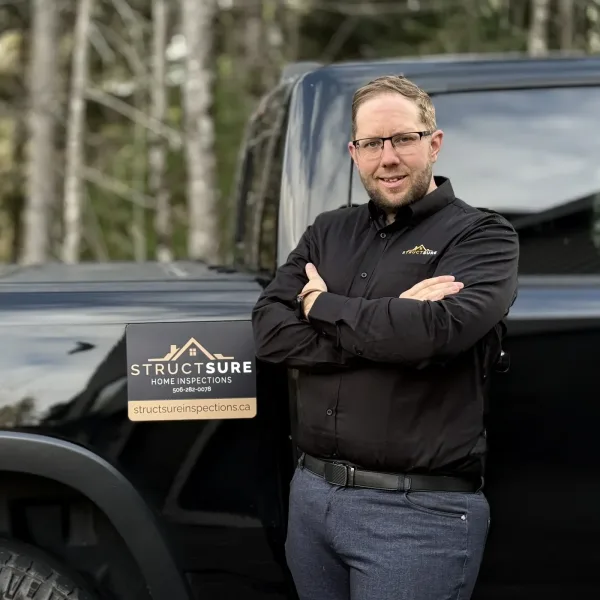
I am Nick Clark, InterNACHI Certified Professional Inspector at StructSure. My goal is simple: give you clear facts before your condition window closes, so you can move forward with confidence instead of guesswork.
I focus on practical guidance, not scare tactics. If you want more background on how I work and why, visit About StructSure.
Book Your Rusagonis Inspection
Get clear priorities, report-backed negotiation leverage, and a practical decision path before your purchase is final.