
Ice Dams in Atlantic Canada: What Homebuyers Should Check Before Winter Hits
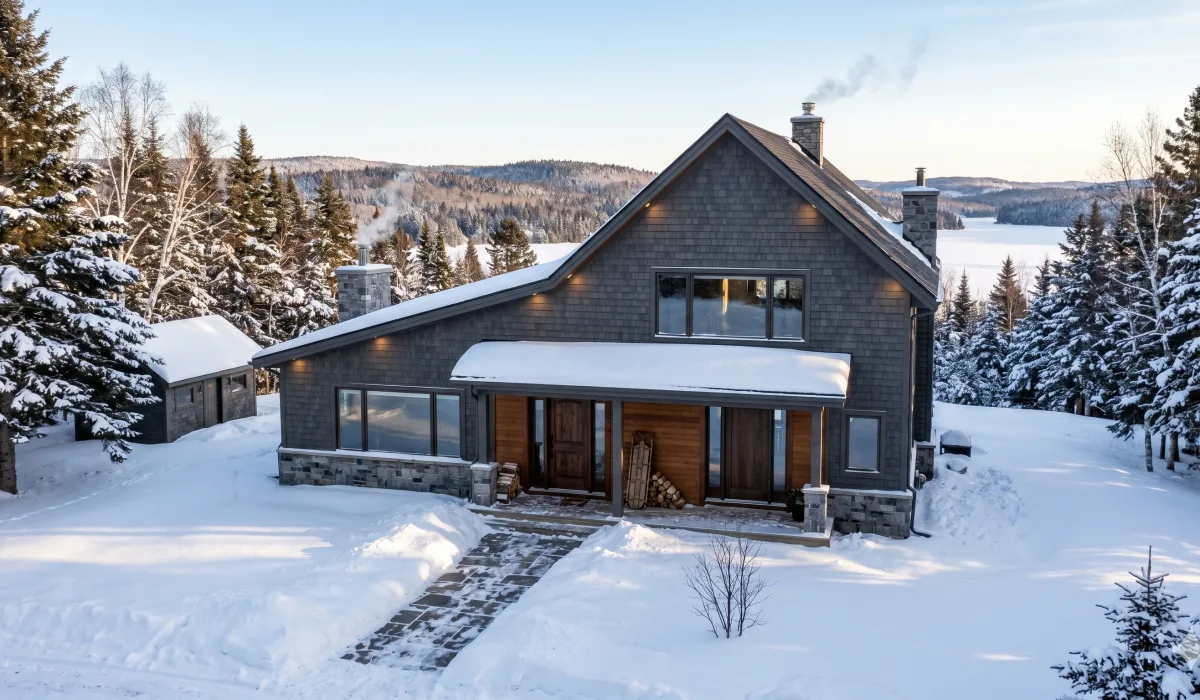
Ice dams are not just a snow-season nuisance. They are often a performance warning that heat, moisture, and air movement are out of balance in the roof and attic assembly.
Homebuyers in Fredericton, Oromocto, and nearby communities often see winter roof photos in listings and assume icicles are mostly cosmetic. In reality, recurring eave ice often points to preventable building-science failures: attic bypasses leaking warm indoor air, thermal bridging at under-insulated sections, blocked soffit intake, and uneven attic temperatures that drive melt-refreeze cycling at the roof edge.
The goal is not panic. It is clarity before conditions expire. A focused inspection conversation can establish whether the home is truly winter-ready, which upgrades are urgent versus preventive, and how to budget first-year work with confidence.
Why Ice Dams Matter More Than Most Buyers Expect
Most buyers hear "ice dam" and think "some ice at the gutter." The bigger issue is usually hidden: snow melts on warmer roof sections, runs downward, then refreezes at colder overhangs. That frozen ridge acts like a dam. Water pools behind it, then migrates under shingles and into vulnerable transitions if conditions persist.
The visible ice is the symptom. The root causes are usually inside the building enclosure: uncontrolled heat loss into the attic, uneven insulation coverage, disrupted soffit ventilation, and roof assemblies that cannot maintain stable surface temperatures during freeze-thaw shifts. When buyers frame this as a systems problem, they make better negotiation decisions and avoid reactive emergency spending later.
What an Inspection Should Actually Uncover
You do not need active icicles on inspection day to assess risk. A proper pre-purchase review can identify physical indicators tied to ice-dam behavior, even in late summer or autumn. The question is straightforward: will this attic and roof assembly perform through a New Brunswick winter without moisture surprises?
- Insulation deficiencies: low R-value or unevenly distributed blown-in insulation over the ceiling plane, including thin zones near eaves.
- Unsealed attic bypasses: heat leakage at attic hatches, recessed lights, plumbing stacks, wiring penetrations, and chimney chases.
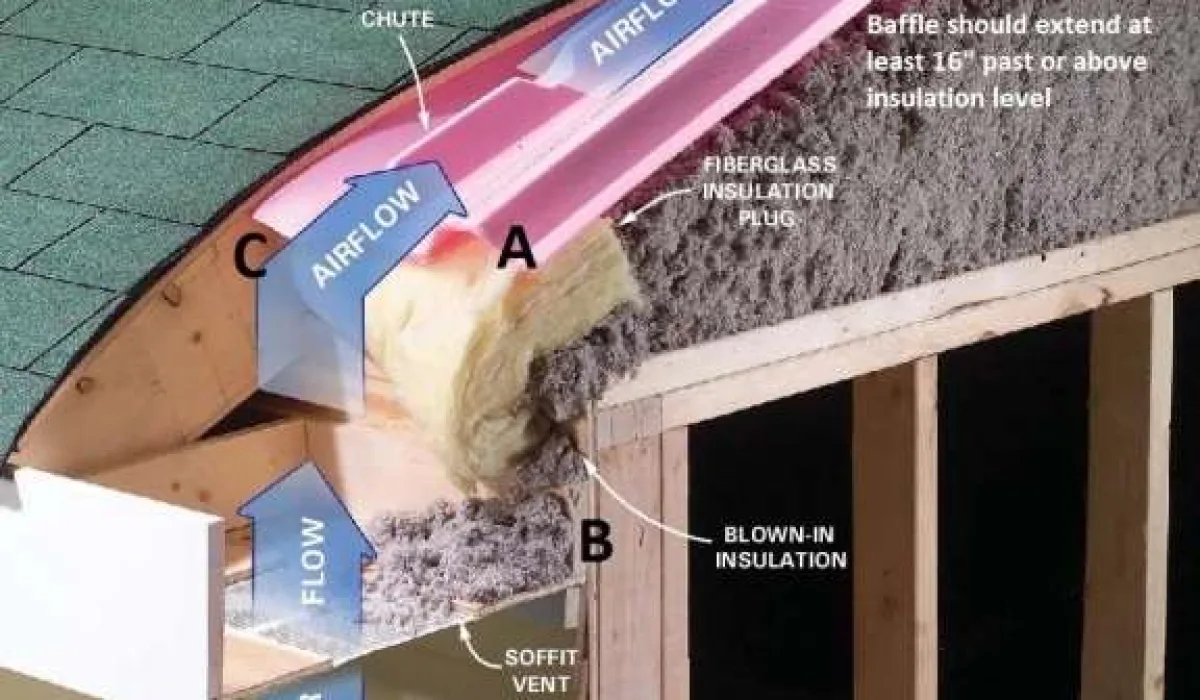
- Soffit blockages: displaced or missing rafter baffles that allow loose insulation to choke intake airflow at the roof edge.
- Mechanical exhaust errors: bathroom or kitchen exhaust terminating in the attic instead of ducting fully outdoors.
- Thermal bridging and transition stress points: localized cold/hot zones at valleys, dormers, and complex roof intersections.
The Flash-Thaw Problem in the Fredericton Basin
Local climate matters. In the Saint John River Valley, a heavy snowfall can be followed by a +5 C rain event and then a rapid overnight freeze. When that weather swing hits a home with attic bypass leakage, the lower snow layer melts quickly, refreezes at cold eaves, and forms a hardened ice ridge at the gutter line. This flash-thaw sequence is one reason homes that looked fine in December can show leakage symptoms by January.
That context helps buyers understand why ice-dam prevention is about enclosure performance, not just snow removal. If heat flow is controlled and soffit-to-ridge ventilation is preserved, the roof deck stays more uniform and melt-refreeze stress is reduced.
Mitigation Cost Framework for Buyers
When risk indicators appear, move quickly from vague concern to scoped upgrades. The most practical plans sequence work from root cause to finish layer, rather than chasing symptoms after each storm.
Typical planning ranges in New Brunswick often look like this: targeted attic air-sealing about $600 to $2,000, baffle corrections around $400 to $1,500, insulation top-up toward R-60 commonly $1,500 to $4,000 depending on attic size and access, and exhaust duct corrections often $300 to $1,200 per run. If reroofing is already in the medium-term plan, ice-and-water membrane upgrades at eaves and valleys are usually scoped as part of that future exterior project.
- Air sealing package: seal attic bypasses at hatch perimeters, top plates, and service penetrations (often a high-value first step).
- Baffle correction: install or reset styrofoam/cardboard ventilation baffles to maintain soffit intake channels at rafter tails.
- Insulation upgrade: top up attic insulation toward R-60 where feasible, while maintaining airflow clearances.
- Exhaust correction: re-route fans that terminate in attic space so moisture is discharged fully outdoors.
- Roofing phase planning: if reroofing is upcoming, budget for ice-and-water shield membrane upgrades at eaves/valleys during exterior work.
Many buyers treat this as a phased budget model: complete priority air-sealing and ventilation corrections first, then optimize insulation depth, then schedule membrane improvements at the next roof replacement cycle. That sequencing usually delivers stronger performance per dollar than one-off cosmetic fixes.
What this means for your offer: when deficiencies are clearly documented, negotiation gets precise. Buyers typically choose one of three paths: request pre-closing corrective work, negotiate a seller credit aligned with quoted scope, or proceed with a staged first-year plan priced before conditions are removed.
One recent buyer scenario followed that model: inspection findings flagged bypass leakage and blocked soffit intake, the buyer obtained two focused contractor estimates within the condition window, and the final agreement included a credit that covered priority air sealing and baffle correction before the first major snowfall.
What "Winter-Ready" Means Before You Remove Conditions
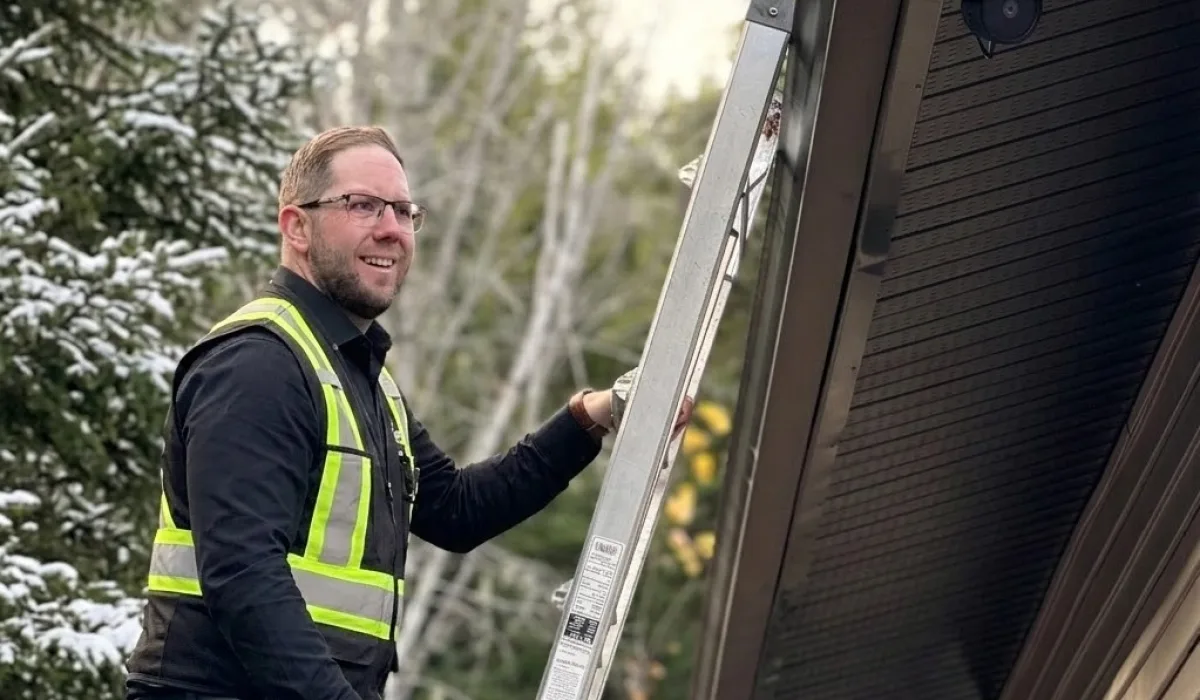
A winter-ready home is not simply a home with newer shingles. It is a roof and attic system that controls heat leakage, preserves ventilation pathways, and manages moisture under fast-changing local weather. Before removing conditions, buyers should leave the inspection discussion with three clear answers: current risk level, prioritized corrective scope, and first-year budget timing.
When those answers are documented, negotiation becomes practical. You can request targeted work, seek a credit, or proceed with a staged improvement plan based on evidence rather than fear.
Your Next Step
Even if you are buying in late summer or autumn, ask for an attic performance review as part of your standard inspection. Catching bypass leakage and ventilation defects before first snowfall gives you time to complete small, high-impact upgrades before winter stress arrives.
That proactive timing often prevents emergency roof shoveling, interior leak response, and expensive mid-season contractor rush calls. Book a winter-readiness review before conditions lift so your next decision is based on scope, budget, and timeline instead of guesswork. Enter your first winter with a plan, not a surprise.