Can a Drone Really Replace Walking the Roof? What Buyers in Fredericton Need to Know
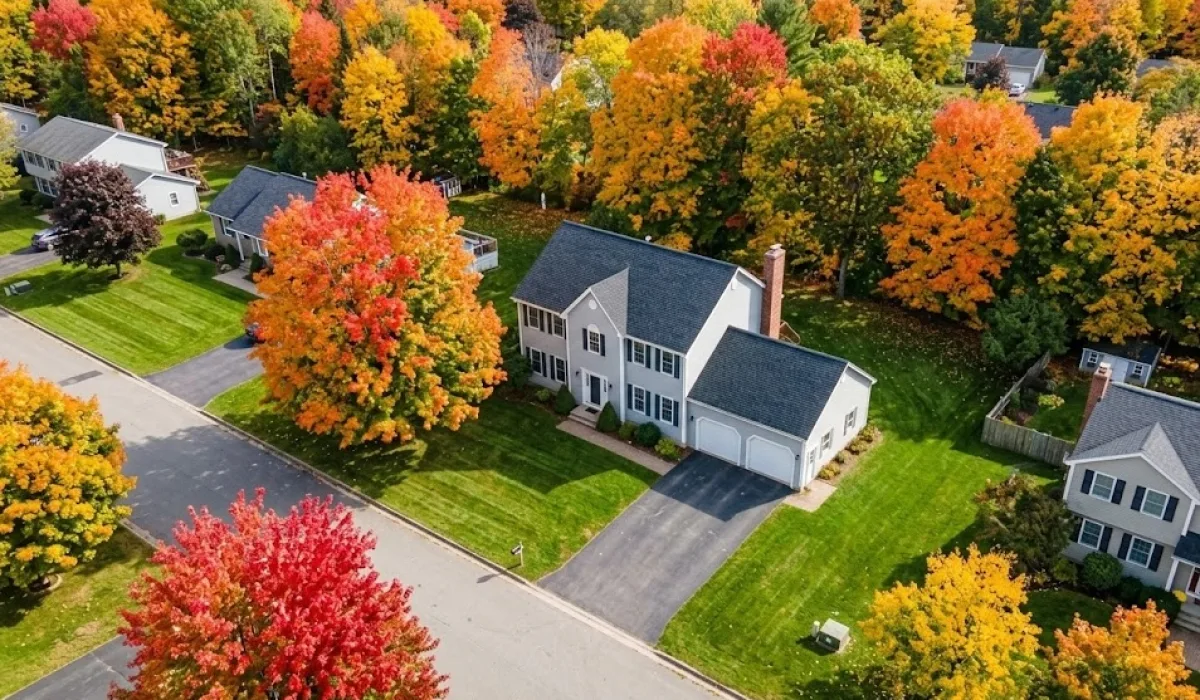
A drone is not a shortcut. It is a safety and access upgrade that improves roof evidence quality while reducing risk to both the inspector and the roof surface.
Across Fredericton and surrounding New Brunswick communities, many roofs are difficult to access safely because of pitch, height, material type, weather, or lot constraints. Buyers still need clear answers before conditions are removed, especially when roof defects can change both cost and negotiating strategy. Drone-supported inspection fills that gap by capturing high-resolution imagery from angles that are impossible from the ground and often unsafe on foot.
The practical benefit is straightforward: clearer evidence before closing. Instead of generic roof comments, buyers get close visual documentation tied to critical components like chimney caps, step flashing, valley seams, ridge vents, and architectural shingle tabs.
Where Drone Roof Review Adds Real Buyer Value
Used correctly, drone capture gives buyers clear inspection advantages:
- Safer access: steep or high roofs can be assessed without stepping onto unstable or slippery surfaces.
- Higher detail: stabilized imagery allows close review of lifted tabs, failed sealant joints, rusting flashing, and impact damage.
- Clear mapping: defects can be documented by slope, elevation, and component type for cleaner contractor quoting.
- Better communication: buyers, agents, and contractors can review the same visual evidence without ambiguity.
This matters during negotiations. When a report includes precise roof imagery, repair discussions become faster and less emotional. Sellers can see exactly what is being flagged, buyers can price risk more accurately, and decisions can be made inside tight condition windows.
What to Expect From a Useful Drone Roof Package
A strong drone package should not be a random gallery of aerial photos. It should be structured evidence that supports a purchase decision. At minimum, buyers should expect:
- Context shots: full-slope images showing overall condition, drainage patterns, and wear distribution.
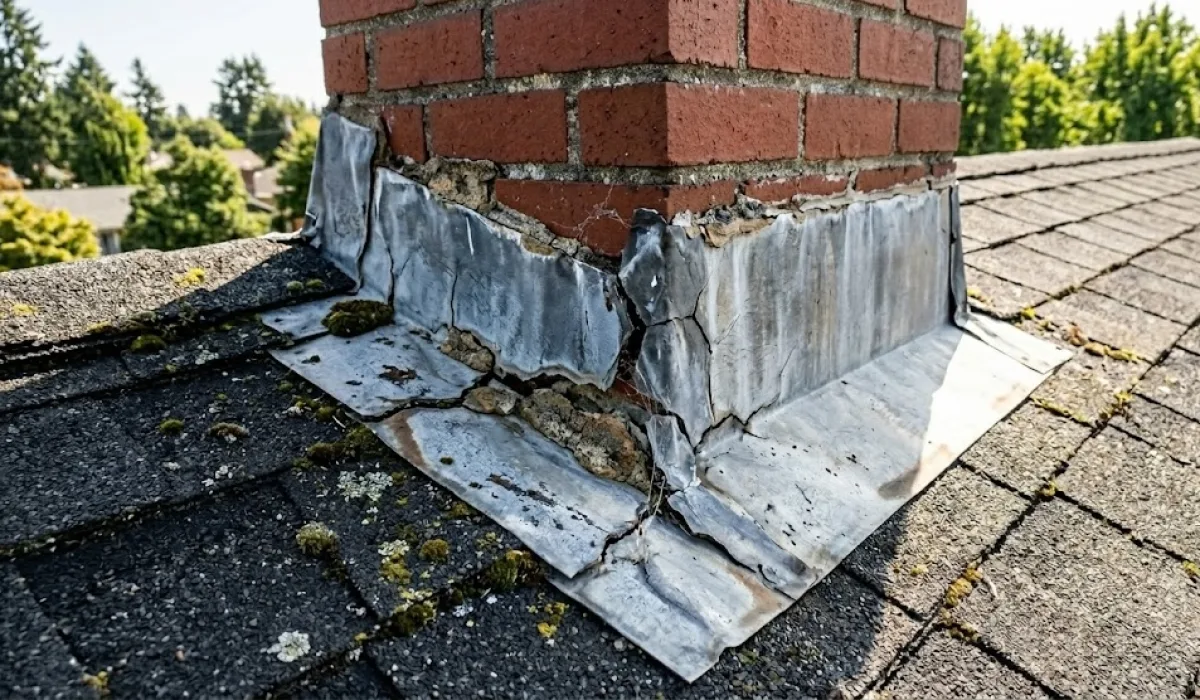
- Defect close-ups: high-resolution views of cracked sealant, displaced flashing, exposed fasteners, and shingle/tab loss.
- Critical component coverage: chimney transitions, ridge and off-ridge vents, valleys, penetrations, and edge details.
- Report linkage: photos clearly tied to written findings, risk level, and recommended next action.
When those four elements are present, drone imagery moves from "nice to have" to genuine due-diligence evidence.
Limits and Best Use Cases
Drone inspection is powerful, but it has real limits. The biggest limit is touch: a drone can see the roof surface, but it cannot feel whether roof decking is soft. An inspector on the roof can sometimes detect soft spots underfoot that camera-only review cannot confirm.
That is why the strongest process combines aerial imaging with traditional inspection methods. Roof-surface visuals are paired with attic-side checks of the structure below.
- What drones can do well: document exterior defects, map location and extent, and support repair scope planning.
- What drones cannot do: confirm roof deck firmness through touch or assess hidden assembly layers below roofing materials.
- How we close the gap: inspect attic framing, sheathing, stains, mold indicators, and ventilation performance from the interior side.
- How buyers use this: combine aerial evidence and attic findings to separate urgent corrections from planned maintenance.
Local Airspace and Transport Canada Reality
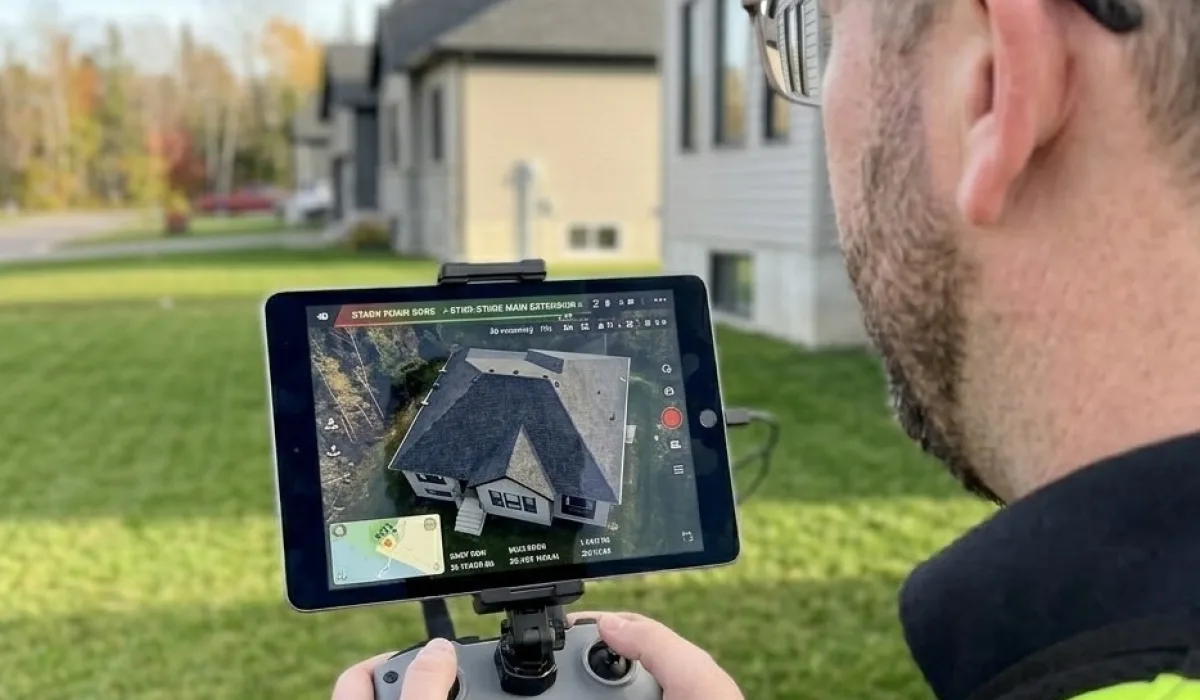
Drone operations in residential neighborhoods are regulated, not improvised. Flights should comply with Transport Canada rules, local airspace limits, and safe operating practices around people and property. In the Fredericton area, operators must be especially aware of proximity-sensitive zones around Fredericton International Airport (YFC) and nearby military or heliport activity linked to CFB Gagetown corridors.
Micro-drones under 250 g can offer useful flexibility in tighter residential areas, but they are not a loophole for unsafe flying. Responsible operation still requires pre-flight checks, weather awareness, line-of-sight control, and conservative go/no-go decisions when conditions are marginal.
How Buyers Should Use Drone Findings in a Live Deal
During conditions, roof findings are most valuable when they are translated into concrete decisions. A practical buyer workflow is:
- identify observed defects with clearly labeled photos,
- separate leak-risk items from routine maintenance,
- obtain focused contractor estimates for high-priority items, and
- negotiate repairs, credits, or holdbacks before conditions are removed.
This keeps roof risk management proactive instead of reactive. You are not waiting for first-winter leaks to define the repair scope.
Drone Inspection Checklist
- Confirm the report includes full-roof context photos and close-ups of flagged defects.
- Check that chimney, flashing, valleys, vents, and roof edges are all documented.
- Ask for clear priority labels: fix now, budget soon, or monitor.
- Request contractor-ready photos for any item likely to affect negotiations.
- Pair drone findings with attic observations before final purchase decisions.
Real Buyer Scenario
A Fredericton buyer recently had a conditional offer on a two-storey home with a steep rear slope that could not be safely walked after overnight frost. Drone images captured lifted shingle tabs and deteriorated chimney flashing on one roof face, while the attic inspection below that area showed early staining near the chimney chase. Because the defects were documented with close-up photos and clear location references, the buyer obtained a focused roofing quote within the condition window and negotiated a seller credit before closing. Instead of inheriting uncertainty, they moved in with a defined repair plan, budget clarity, and fewer first-winter surprises.
Your Next Step
If a home has steep slopes, fragile roofing materials, winter access limits, or elevated safety concerns, ask for a drone-supported roof package as part of your inspection strategy. The best outcomes come from combining aerial evidence with attic-side structural review so both visible defects and underlying risks are addressed.
In Atlantic weather, stronger roof evidence before closing usually means fewer surprises in your first winter and a clearer negotiation path before deadlines expire.