
The Electrical Panel That Can Kill Your Home Sale: Federal Pacific, Pioneer & Aluminum Wiring in Older Fredericton Homes
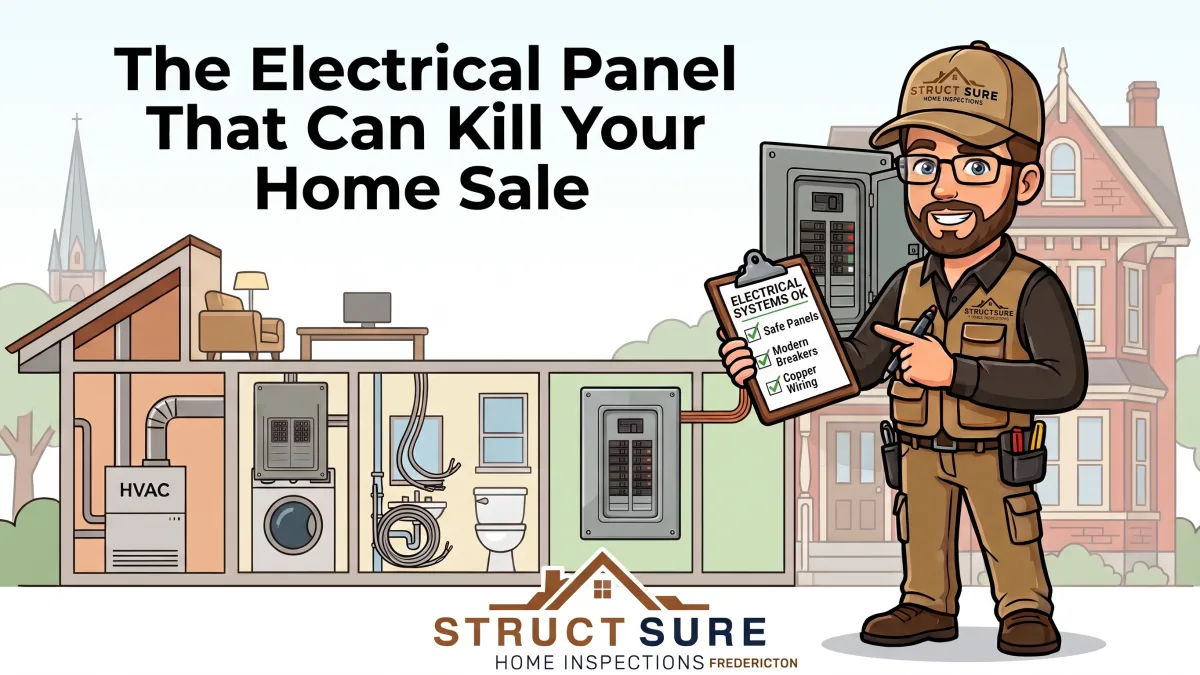
If you are selling an older home in Fredericton, your electrical panel can decide whether your deal closes on schedule. Buyers and insurers treat electrical defects differently than cosmetic issues. They view these issues as immediate safety, liability, and financing risks.
A breaker that does not trip is not a minor defect. It is a potential fire pathway. In many New Brunswick transactions, panel brand and wiring type matter as much as visible condition because insurers often ask for specifics before issuing binding coverage.
A pre-listing inspection gives you leverage. You identify risk before the buyer does, gather real numbers, and prevent inflated concessions during conditions.
Why This Risk Hits Older Fredericton Homes Harder
Fredericton has significant older housing stock with mixed renovation histories. It is common to find one upgraded area tied into legacy electrical infrastructure elsewhere in the home. Buyers see this and assume hidden costs are coming next.
Once buyer confidence drops, negotiation posture changes. A repair that may cost hundreds can become a multi-thousand-dollar credit request because the buyer prices in uncertainty, schedule risk, and insurance delays.
Four Critical Red Flags Sellers Should Address Early
1. Federal Pacific or Pioneer Panel Identification
Panel branding is a fast underwriting trigger. If your home has a Federal Pacific Stab-Lok or Pioneer panel, buyers may face immediate insurer pushback or a mandatory electrician review.
These panels are flagged because breakers have a documented history of failing to trip during an overload, which raises fire risk. That reputation, not just the look of the box, is why insurance and financing stall.
2. Aluminum Branch Wiring in Key Circuits
Aluminum branch wiring is manageable when properly terminated and maintained. Buyers often react strongly when they see it documented without context.
In New Brunswick, this is also an insurance-binding issue. Many carriers treat aluminum wiring and older panels as Four-Point inspection items: electrical, plumbing, HVAC, and roof. If the electrical portion fails underwriting, coverage may not bind and the mortgage cannot close.
A pre-listing review lets you document current condition and the recommended corrective path before that conversation starts in the buyer's condition window.
3. Thermal or Visual Overheating Indicators
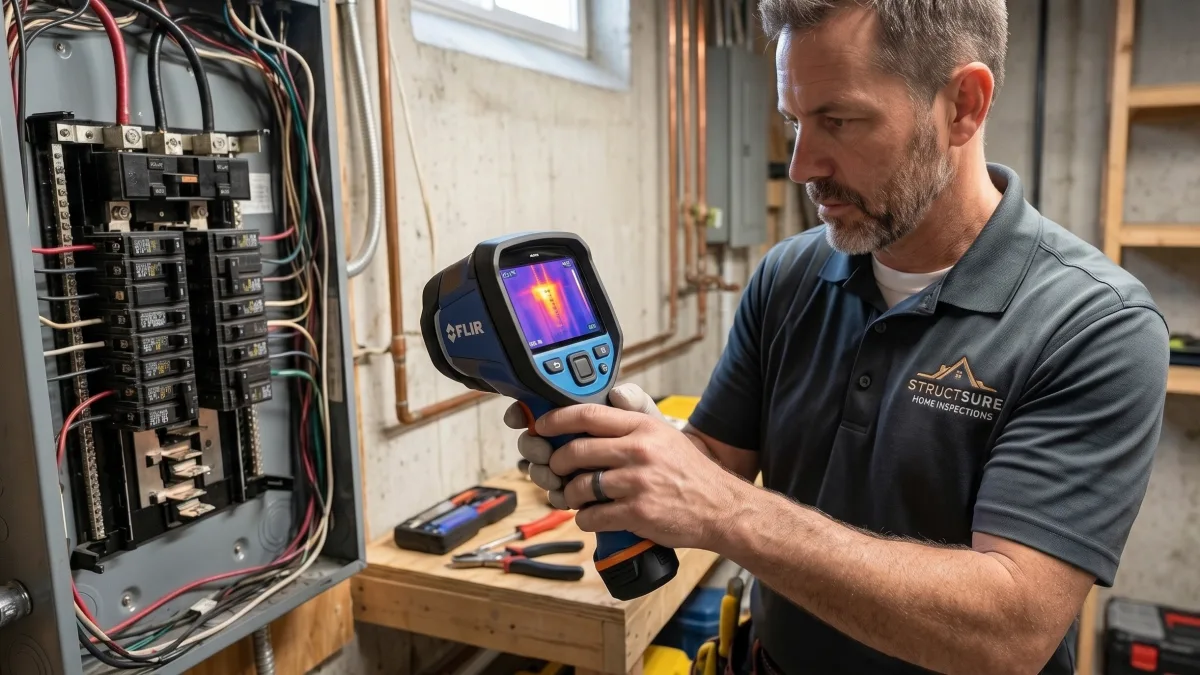
Warm cover plates, discoloration, loose connections, and thermal hot spots near breakers quickly raise a buyer's concern. These findings can stall offers if they appear for the first time in the buyer's inspection.
4. Unsafe Circuit Configuration
Double-tapped breakers, oversized breakers, and improvised branch changes create negotiation friction. Buyers often read them as broad maintenance neglect rather than isolated electrical defects.

Your Pre-Listing Electrical Action Checklist
- Photograph panel labels and give your agent clear reference data early.
- Book a pre-listing inspection before MLS launch so you control discovery timing.
- Collect electrician quotes for flagged issues and replace guesswork with hard numbers.
- Package electrical records and receipts so completed work is easy to show.
- Price the listing using known condition so you avoid reactive concessions later.
Frequently Asked Questions
Final Thoughts
Electrical uncertainty kills confidence. Electrical clarity builds stronger offers. If you want cleaner negotiations and fewer surprises, address panel and wiring risk before buyers start writing conditions.
Protect your leverage and book your pre-listing inspection with StructSure before your home goes live.