
New Build in Oromocto? Why You Still Need a Home Inspection
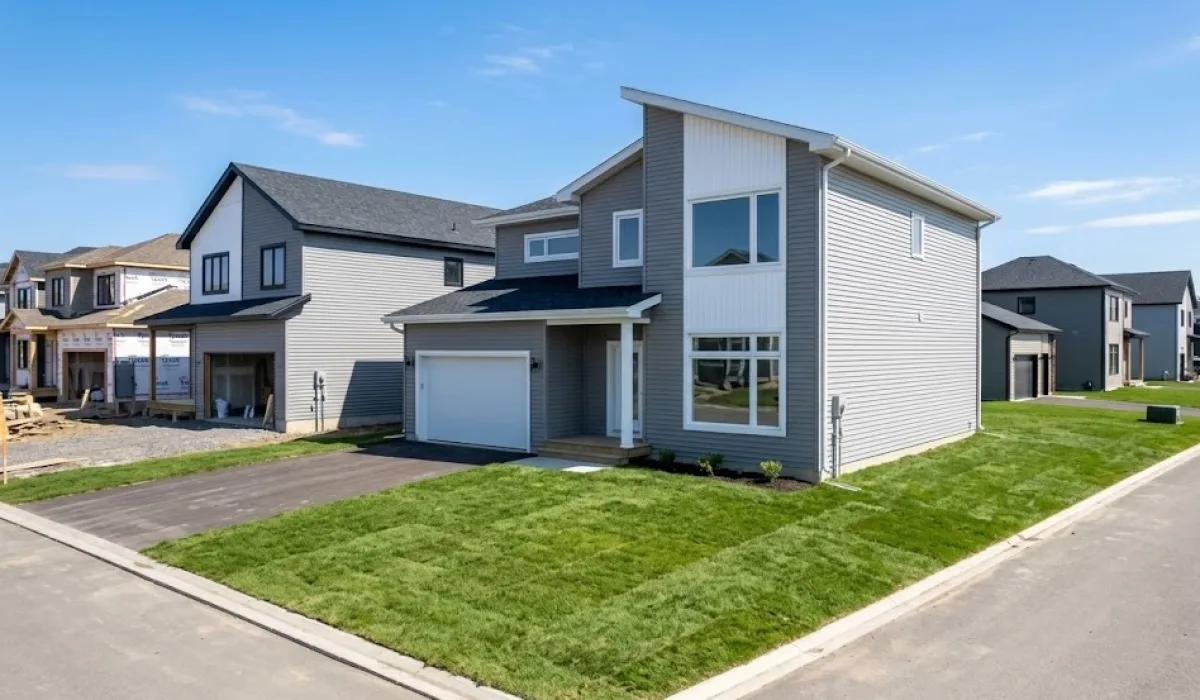
A new home can still carry unfinished risk. What protects you is not the fresh paint. It is timely documentation while warranty and builder accountability windows are still open.
Oromocto's new-construction growth has given buyers more inventory and modern layouts, but faster schedules also increase handoff pressure between trades. That does not mean the build is poor. It means details can be missed, deferred, or signed off without a full buyer-focused review.
A private new-construction inspection helps you turn those details into clear action during the Pre-Delivery Inspection (PDI) period and again before first-year warranty deadlines. Instead of reacting after move-in, you enter ownership with documented priorities, clear timelines, and better leverage.
Why New Construction Still Needs Third-Party Review
A brand-new home can look perfect on possession day and still have meaningful defects in mechanical setup, insulation continuity, or envelope detailing. New construction is a chain of trade handoffs under deadlines. Even with good site management, small misses at transitions can survive to turnover.
The most important advantage is timing. During PDI and early warranty periods, documented deficiencies are much easier to send to the builder for correction. Once those windows close, the same items can become owner-managed repairs, scheduling friction, and out-of-pocket cost.
Where New Builds Most Commonly Fail
The highest-value findings are usually not dramatic. They are practical defects at key connection points that affect comfort, durability, and warranty outcomes in year one.
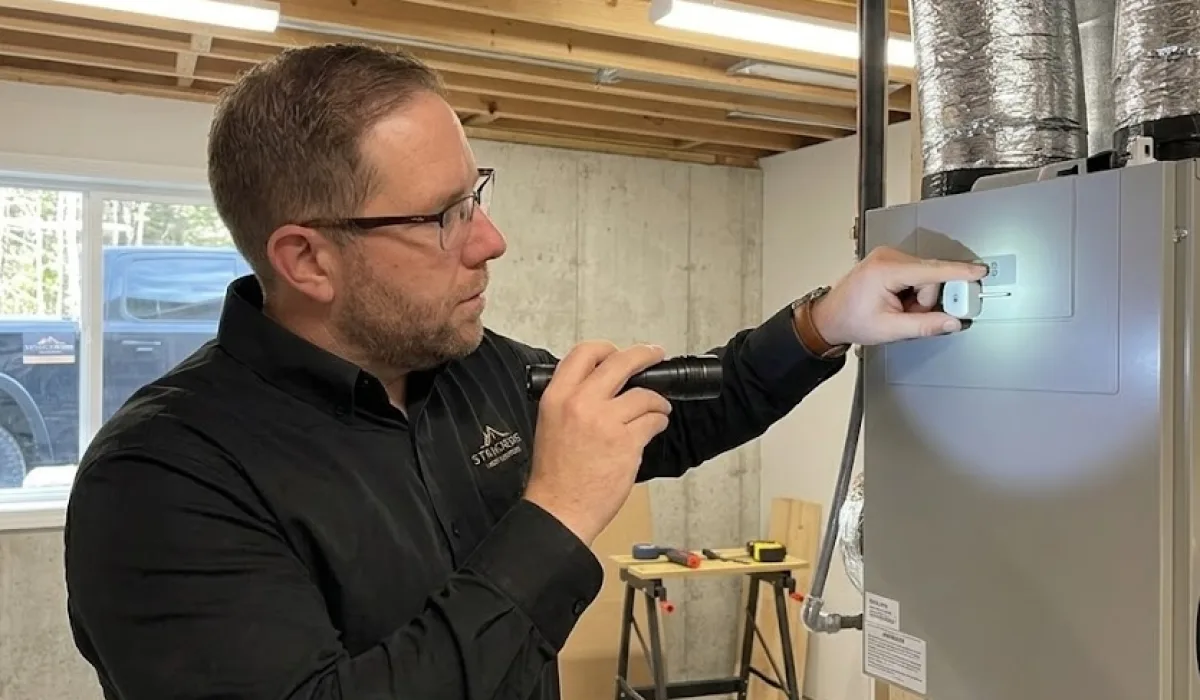
- Mechanical disconnections: HRV systems out of balance, bath or kitchen exhaust improperly terminating in attic cavities, or reverse-wired outlets.
- Insulation inconsistencies: missing batts at rim joists, attic corners with uneven blown insulation, or weak R-value continuity at eaves.
- Exterior envelope gaps: incomplete caulking at window flashings, unfinished trim seals, and cladding junctions that need proper closure.
- Site drainage misses: final grading that falls toward the foundation or downspouts discharging too close to waterproofed walls.
- Electrical and commissioning details: panel labeling gaps, GFCI/AFCI issues, or equipment startup details not fully verified.
The Warranty Framework Buyers Should Use
New-home warranty programs are only as useful as your documentation and timing. A private inspection during PDI helps you create a clean deficiency list before turnover. A second check near the one-year mark helps capture items that appear after full seasonal use.
In practical terms, structural, safety, mechanical, and envelope deficiencies that are properly documented within warranty windows are typically expected to be addressed under builder and warranty obligations. Waiting too long can weaken your position, especially when issues are first discovered after deadlines or without dated records.
A strong report should separate findings into: correct now, monitor through first season, and cosmetic/non-critical. This keeps communication focused and makes repair scheduling easier for everyone involved.
PDI Week Checklist
- Book your private inspection early enough to receive the report before your final PDI walkthrough.
- Carry a room-by-room deficiency list and request written builder timelines for each correction item.
- Test key systems while on site: HRV controls, bath fans, GFCI/AFCI devices, and major plumbing fixtures.
- Photograph each issue with location notes so warranty follow-up stays clear and organized.
- Confirm a re-check plan for corrected items before keys are released, when possible.
How to Handle Builder Conversations Without Conflict
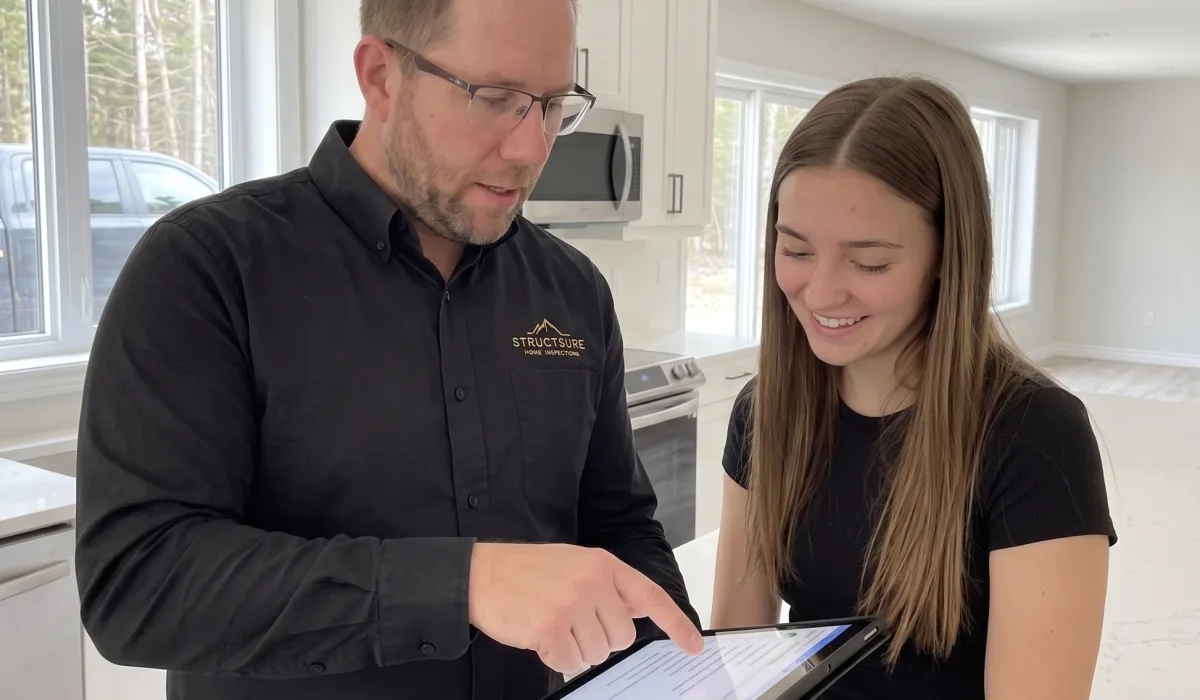
The goal is not confrontation. The goal is a clean, documented handover. Most builders respond best to concise, observable findings with clear priorities and target completion dates. That format helps them assign the right trade quickly and close the file efficiently.
A reliable communication structure is simple: identify the issue, note why it matters (safety, durability, or mechanical performance), request correction confirmation, and ask for timing before possession or key warranty deadlines.
- Prioritize safety, mechanical function, and envelope performance over cosmetic preference.
- Ask for written correction timelines tied to PDI and possession dates.
- Re-verify corrected items when possible before keys are released.
- Maintain dated photos and written records for warranty follow-up.
Handled this way, inspections usually reduce friction rather than create it. Scope is clear, priorities are clear, and next steps are easy to track.
First-Year Ownership Plan and the 11-Month Milestone
Even after a strong PDI process, homes continue to settle through their first seasonal cycle. Materials dry, framing adjusts, and minor performance gaps may only appear after months of lived use. That is normal, and it is exactly why the one-year warranty window matters.
Track recurring comfort issues, humidity patterns, drainage behavior after storms, and any mechanical inconsistencies. Keep dated photos and short notes. If follow-up is needed, documented patterns are far more effective than memory-based complaints near deadline.
If you missed the ideal PDI window, an inspection around month 11 can still be high-value. It gives you a final, structured defect list before comprehensive one-year warranty timelines close.
A recent Oromocto buyer booked a private inspection the same week as PDI and found an unbalanced HRV setup, two missing rim-joist insulation sections, and a downspout discharging too close to the foundation. Those items were documented, submitted, and corrected before possession, with re-check notes added to the handover file. The buyer moved in with a cleaner warranty record and no first-winter callback cycle for those deficiencies.
Your Next Step
If you are buying new construction in Oromocto, schedule your private inspection early enough to act on findings before possession day. Ask for a prioritized report you can hand directly to your builder and warranty provider.
Already moved in? Book an 11-month warranty inspection reminder so you have a professional defect report in hand before first-year coverage periods expire. New homes can be excellent investments, but long-term confidence comes from verified details and timely follow-through.