
12 Things Home Inspectors Can't Do
A home inspection is one of the most useful tools in a New Brunswick real estate deal. It is also one of the most misunderstood. Buyers often expect a pass/fail stamp, a repair budget, or a guarantee that nothing will break after closing.
Inspectors work to a different standard: a visual, non-invasive review of readily accessible systems, using normal operating controls, on one specific day. In Fredericton, Oromocto, and rural New Brunswick, snow, freeze-thaw, oil heat, and older housing stock regularly limit what can be seen. The report still has high value if you read it as documented condition, not a crystal ball.
Physical and Safety Limits
These four items are about access. If the inspector cannot reach it safely, it will not be fully inspected.
1. Move Furniture, Stored Belongings, or Snow
Inspectors report on what is readily accessible. They do not rearrange rooms, empty closets, or shovel driveways and roofs.
Blocked electrical panels, attic hatches, sump pumps, or mechanical rooms get a limitation note instead of a full review.
New Brunswick winter: Heavy snow can hide grading, foundation walls, and roof surfaces. Clear what you reasonably can before the appointment.
- What to do instead: Ask the seller to move storage and furniture away from panels, hatches, and mechanical rooms. Clear snow from the path to the foundation and outdoor equipment.
2. Enter Unsafe or Inaccessible Areas
Inspectors are not required to put themselves at risk. Icy or steep roofs, flooded crawlspaces, standing water at an electrical panel, or structurally questionable attics may be documented as inaccessible.
That limitation is useful. It tells you what was not seen, so you can decide whether to return later, hire a specialist, or adjust conditions in the purchase agreement.
Rural note: Detached outbuildings on rural New Brunswick properties can carry the same access limits when they are unsafe, locked, or packed with storage.
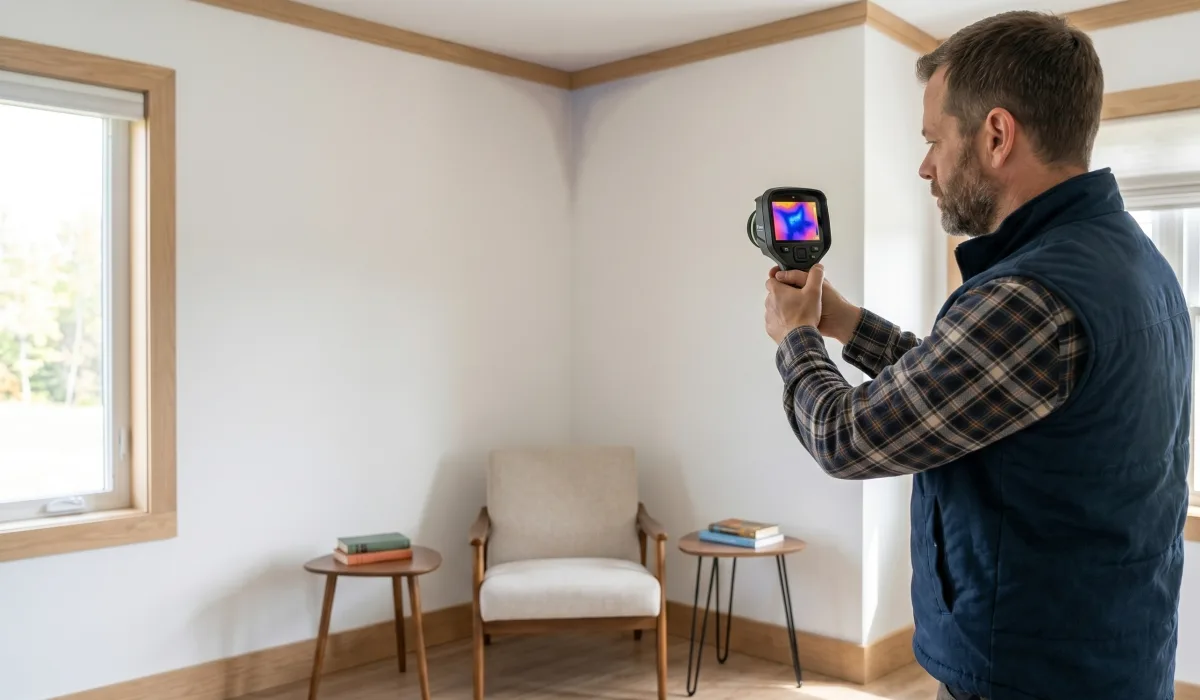
Where access is safe, tools such as thermal imaging can add context. They help an inspector follow clues. They do not let anyone see through every assembly or inspect a roof that is too icy to climb.
- What to do instead: Schedule a return visit after snow melt, or hire the relevant specialist (roofer, electrician, or structural engineer) for the area that could not be reached.
3. Open Walls, Pull Flooring, or Do Destructive Testing
A home inspection is non-invasive. Inspectors do not cut drywall, lift finished flooring, or dismantle building assemblies to look for hidden defects.
They do look for clues: staining, musty odours, uneven floors, peeling finishes, and moisture patterns. Those clues can justify a specialist referral.
- What to do instead: If concealed moisture is a concern, read our guide on hidden moisture risks in New Brunswick homes, then hire a qualified contractor for an invasive look where the clues point.
4. Start Systems That Are Shut Off, Winterized, or Unsafe
Inspectors operate systems using normal controls—such as thermostats, switches, and valves—that a homeowner would typically use. They do not relight pilots, restore disconnected utilities, or energize equipment that appears unsafe.
Vacant or seasonal homes in New Brunswick are often winterized. If the furnace, water service, or electrical system is off, related findings will be limited.
- What to do instead: Have utilities on for the inspection unless there is a safety reason they must stay off. If a system must remain winterized, plan a follow-up once it is safely in service.
Scope of the Report and Diagnostics
These five items are about what the report can claim. Inspectors document condition. They do not replace trades, appraisers, insurers, or the municipality.
5. Diagnose the Exact Cause of Every Defect
The inspector's job is to observe and report. A fireplace that will not light, a heat pump that underperforms, or a stain on a ceiling is a finding. The exact mechanical cause usually belongs to a licensed trade.
- What to do instead: Use the finding to get a targeted quote from a plumber, electrician, HVAC technician, or structural engineer.
6. Give Repair Cost Estimates or Contractor Quotes
Inspectors are generalists. Labour rates, material costs, and the true scope of a repair change from house to house. A number quoted on the spot is often wrong by the time a contractor opens the wall.
- What to do instead: Request written quotes from licensed local contractors who will do the work. That is how you avoid both sticker shock and inflated inspection-period demands.
7. Predict Remaining Life of Roofs, Furnaces, or Water Heaters
Industry averages can help you plan, but remaining life is not something an inspector can certify. Two furnaces of the same age can perform very differently depending on maintenance, water quality, and how hard they work in a New Brunswick winter.
Expect language about typical service life and current condition, not a countdown clock.
- What to do instead: Budget for replacement when a system is old or distressed, even if it operated on inspection day. Ask a licensed trade for a remaining-service opinion if you need one for financing or insurance.
8. Appraise Value or Determine Insurability
A home inspection is not an appraisal, and it is not an insurance underwriting visit. Market value and coverage decisions sit with appraisers and insurers.
Local insurability: In New Brunswick, oil tanks, older electrical panels, and aging roofs can affect whether a policy will bind. Visual notes in the report can prompt a follow-up on oil tank inspection risks or electrical panel concerns in Fredericton-area homes.
- What to do instead: Speak with your insurer early, and get an appraisal if you need a value opinion. The inspector does not issue the insurance decision.
9. Confirm Building-Code or Permit Compliance
Inspectors are not the authority having jurisdiction. They do not perform a municipal code inspection, sign off on permits, or certify that older work meets today's rules.
Many New Brunswick homes predate current electrical, insulation, and safety standards. A finding that something is outdated, unsafe, or poorly installed is a condition note, not a legal ruling.
- What to do instead: Ask the municipality about permits, and have your lawyer review occupancy and compliance questions before conditions are lifted.
Professional Boundaries and Ethics
These last three items protect you. The inspector reports facts. Buy, price, and repair decisions stay with you and your advisors.
10. Guarantee the Home, Issue a Pass/Fail, or Act as a Warranty
An inspection describes condition at the time of the visit. It is not a certificate that the house is perfect, and it is not a warranty that systems will keep working after you take possession.
A water heater can fail the week after closing. A roof that is aging but functional on inspection day can leak in the next ice storm.
- What to do instead: Treat the report as a decision tool. Use limitation notes and defect findings to decide what to negotiate, what to budget, and what to monitor after closing.
11. Offer Real Estate Advice or Tell You Whether to Buy
Inspectors report condition. They do not decide whether the house is a good deal, whether you should walk away, or how hard you should negotiate.
Those calls depend on your finances, your risk tolerance, your timeline, and advice from your realtor and lawyer.
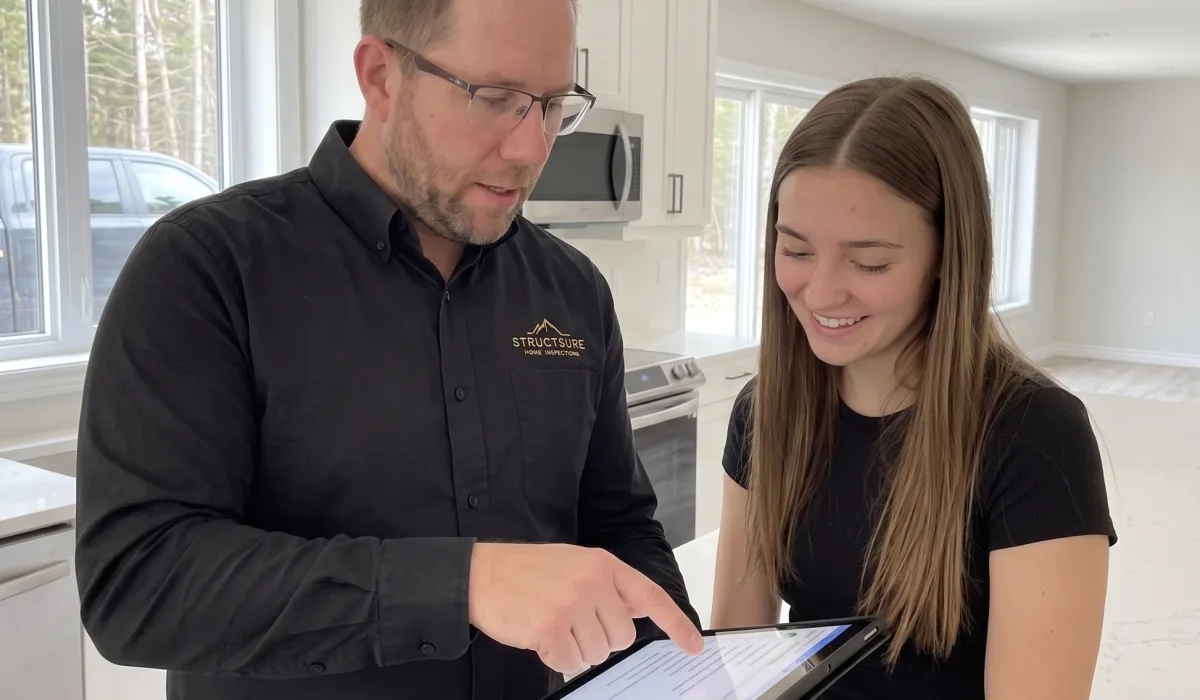
- What to do instead: Bring the report to your agent and lawyer. Ask them to help you weigh findings against price, conditions, and your own risk tolerance.
12. Repair Defects or Refer the Work to a Company They Own
Ethical inspectors observe and report. They do not bid the repairs they just identified, and they should not steer you to a contracting company they own.
- What to do instead: Get independent quotes from licensed trades. The inspector's role ends at documenting the condition and recommending further evaluation when a specialist is needed.
What a Standard Inspection Still Covers
These limits do not make the inspection optional. When systems are accessible and safe to operate, a thorough inspection still reviews:
- Roof, structure, and visible exterior
- Electrical, plumbing, heating, and cooling
- Interior, insulation, and ventilation
The value is a prioritized picture of current condition: what needs attention now, what to budget for, and what could not be seen. That is the information that keeps a New Brunswick closing from turning into a guess.
Frequently Asked Questions
Final Thoughts
A home inspection is not a warranty, a code certificate, or a purchase recommendation. It is a professional visual review of what can be reached and operated safely on inspection day.
Used that way, it still gives New Brunswick buyers and sellers a clear advantage: fewer surprises, better questions, and a calmer path to closing. Book your home inspection with StructSure and we will document the condition, including the limits, so you can decide with facts.